III Expert Forum
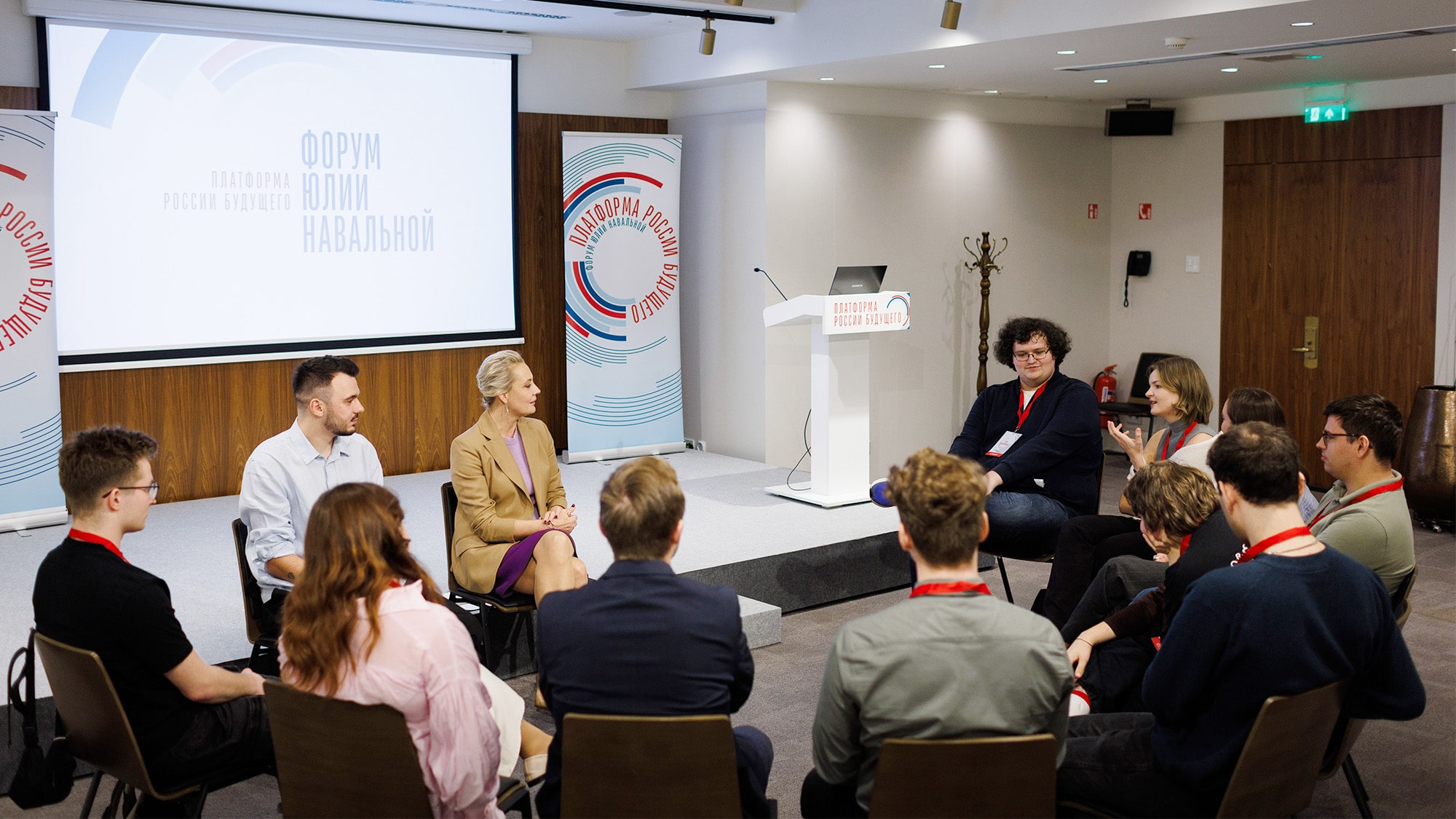
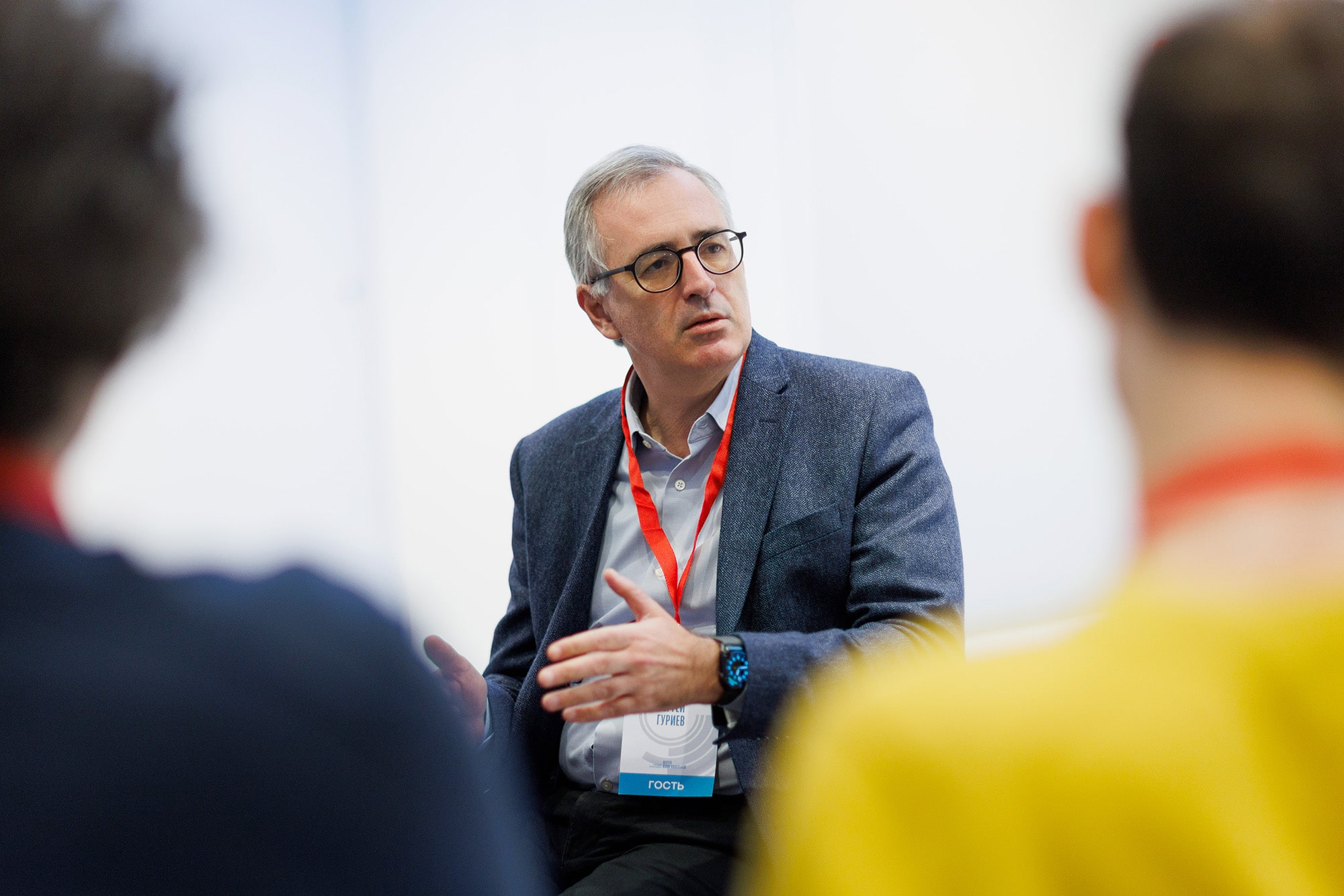
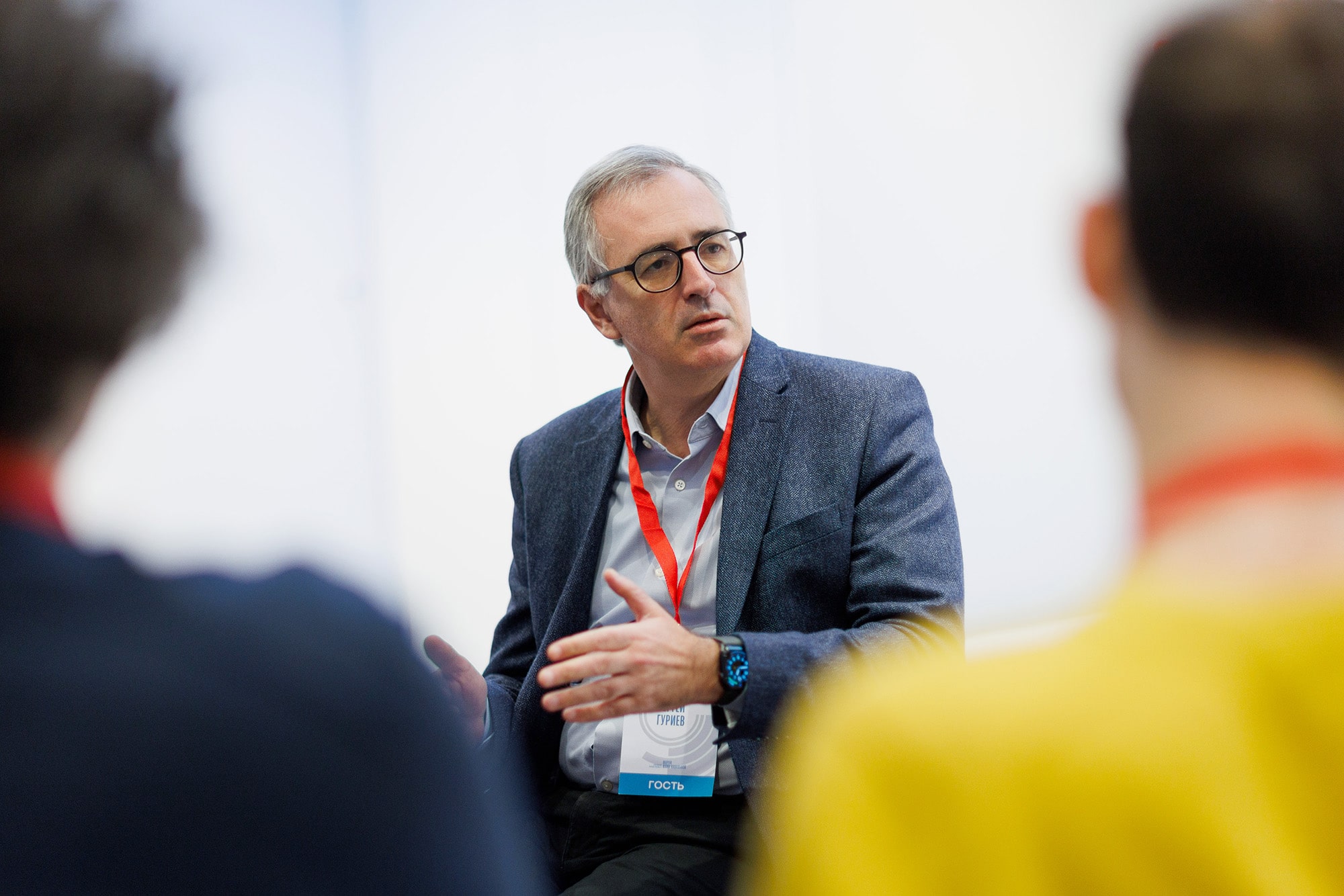
The Third Yulia Navalnaya Forum took place on 14–16 November 2025 and brought together 38 experts from a wide range of fields. It marked another step toward shaping a comprehensive program of change for post-Putin Russia.
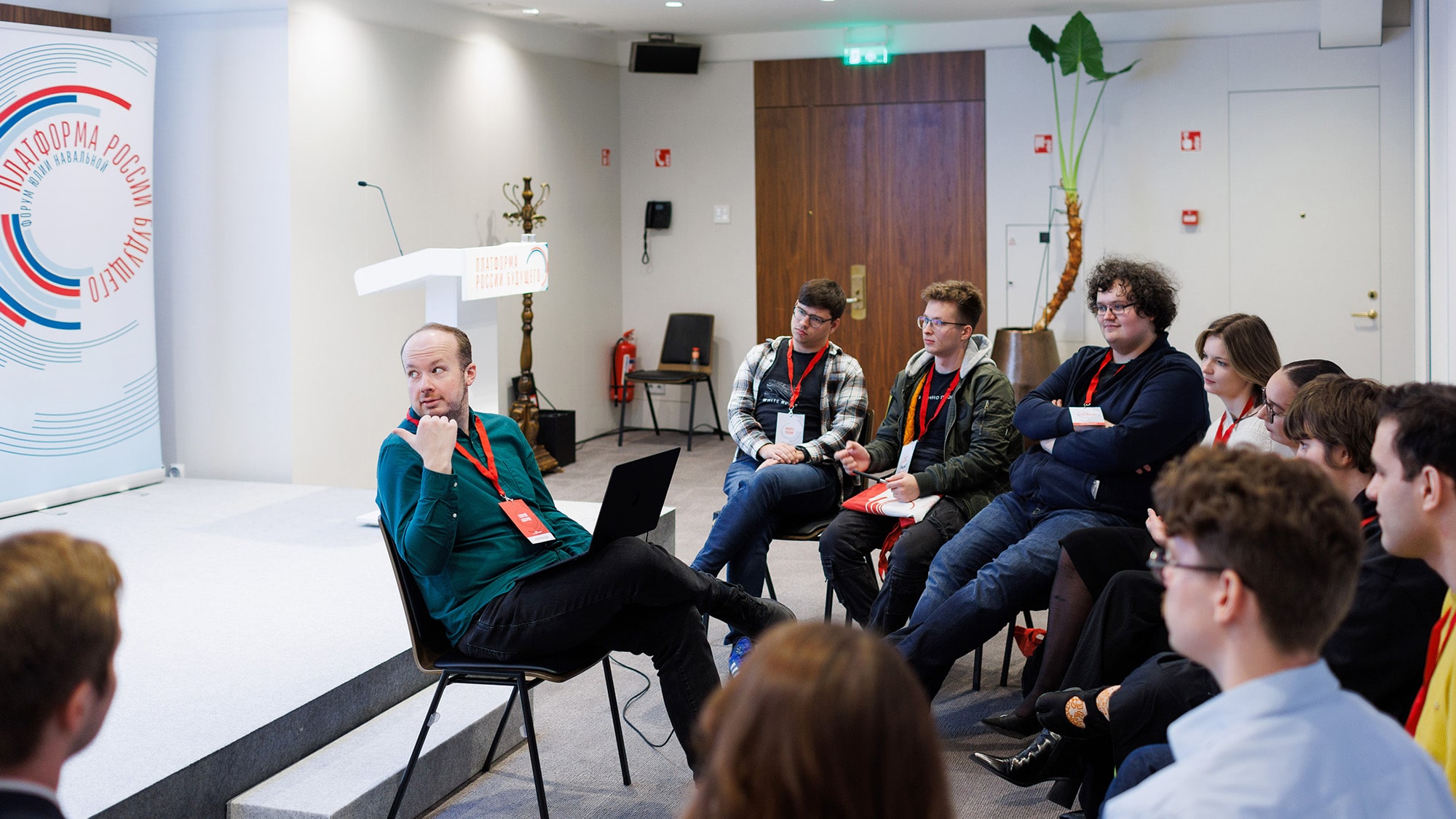
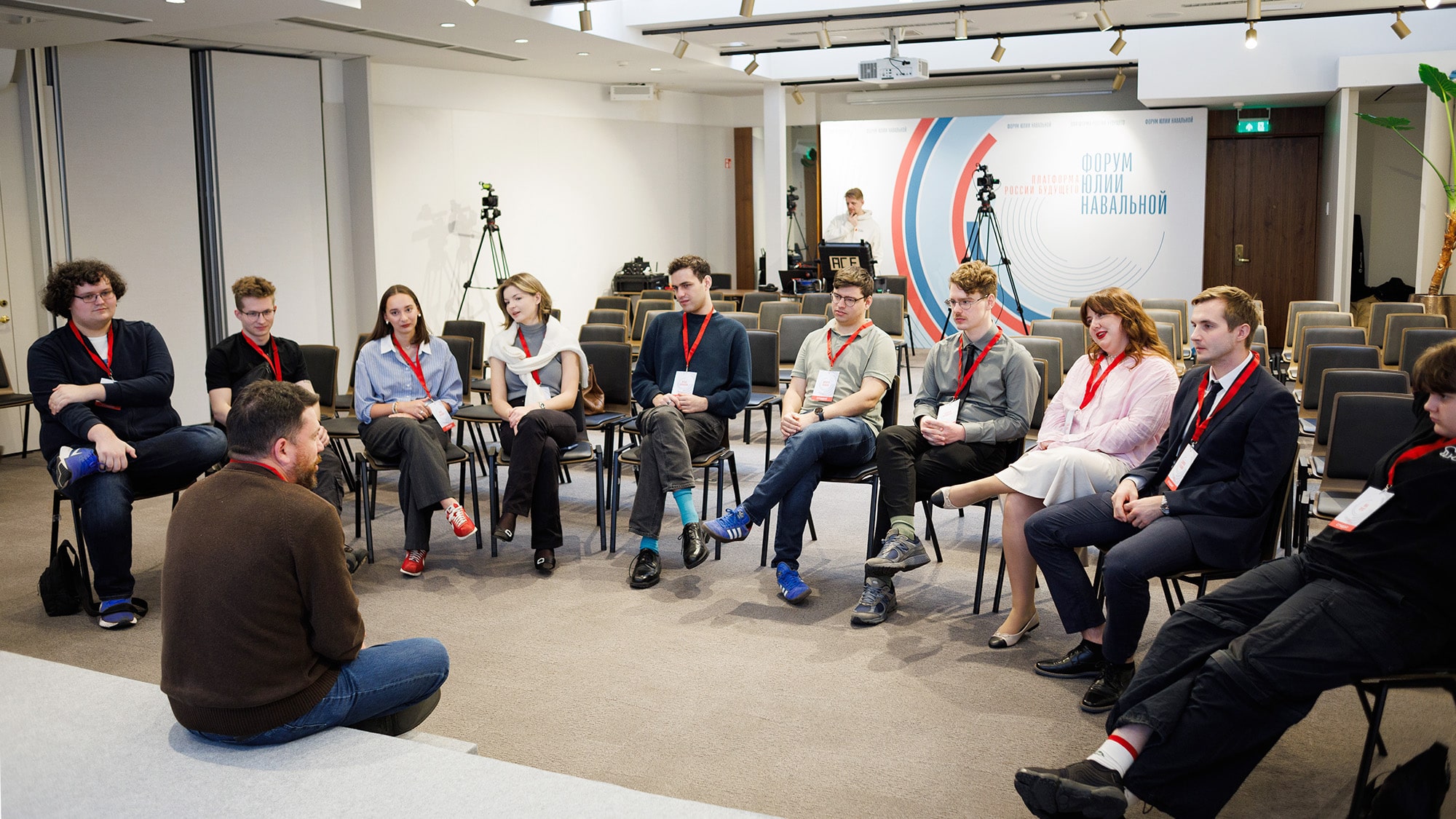
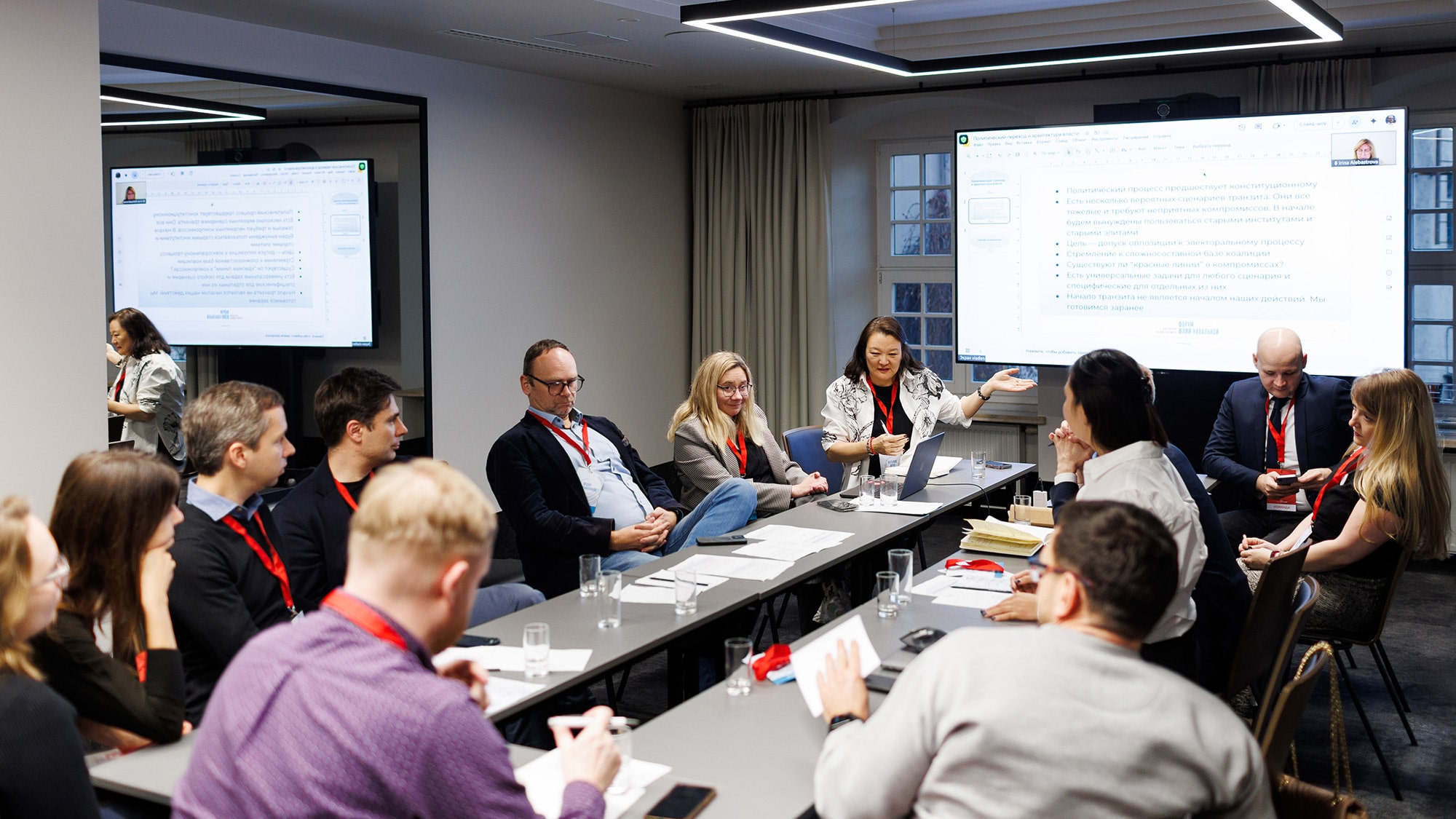
Working groups composed of economists, lawyers, human rights defenders, journalists, and other specialists analysed the challenges that the Russian democratic opposition will face during the transitional period in Russia after Putin. They then formulated a set of recommendations for overcoming these difficulties and achieving change.
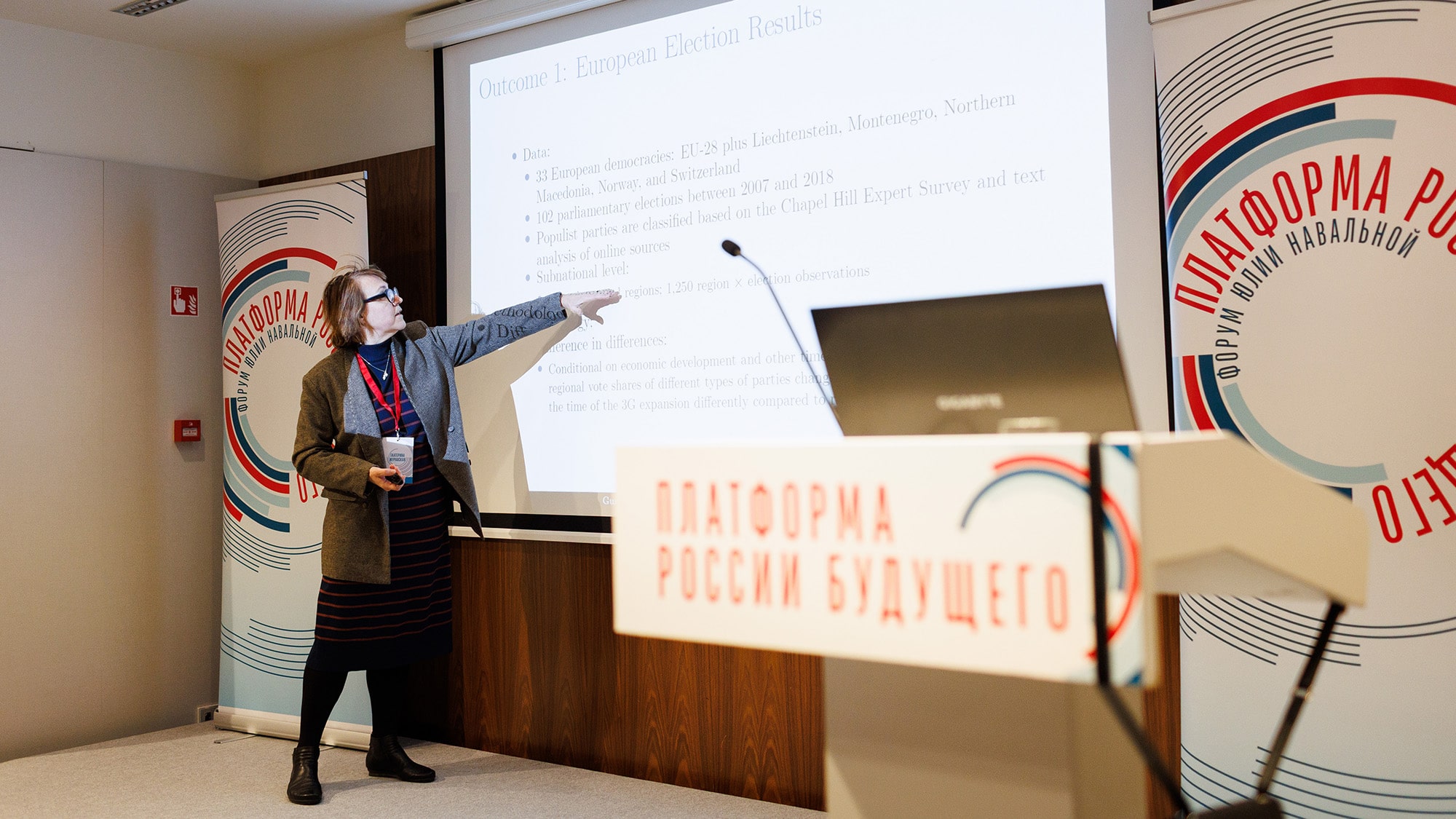
The discussions covered the transition-period economy, issues of security and justice, international cooperation, the architecture of future governance, and the role of society in this process. You can explore the proposals put forward by the experts:
At the next Forum, we will continue developing a program of change. If you would like to nominate an expert — or are one yourself — please write to [email protected].
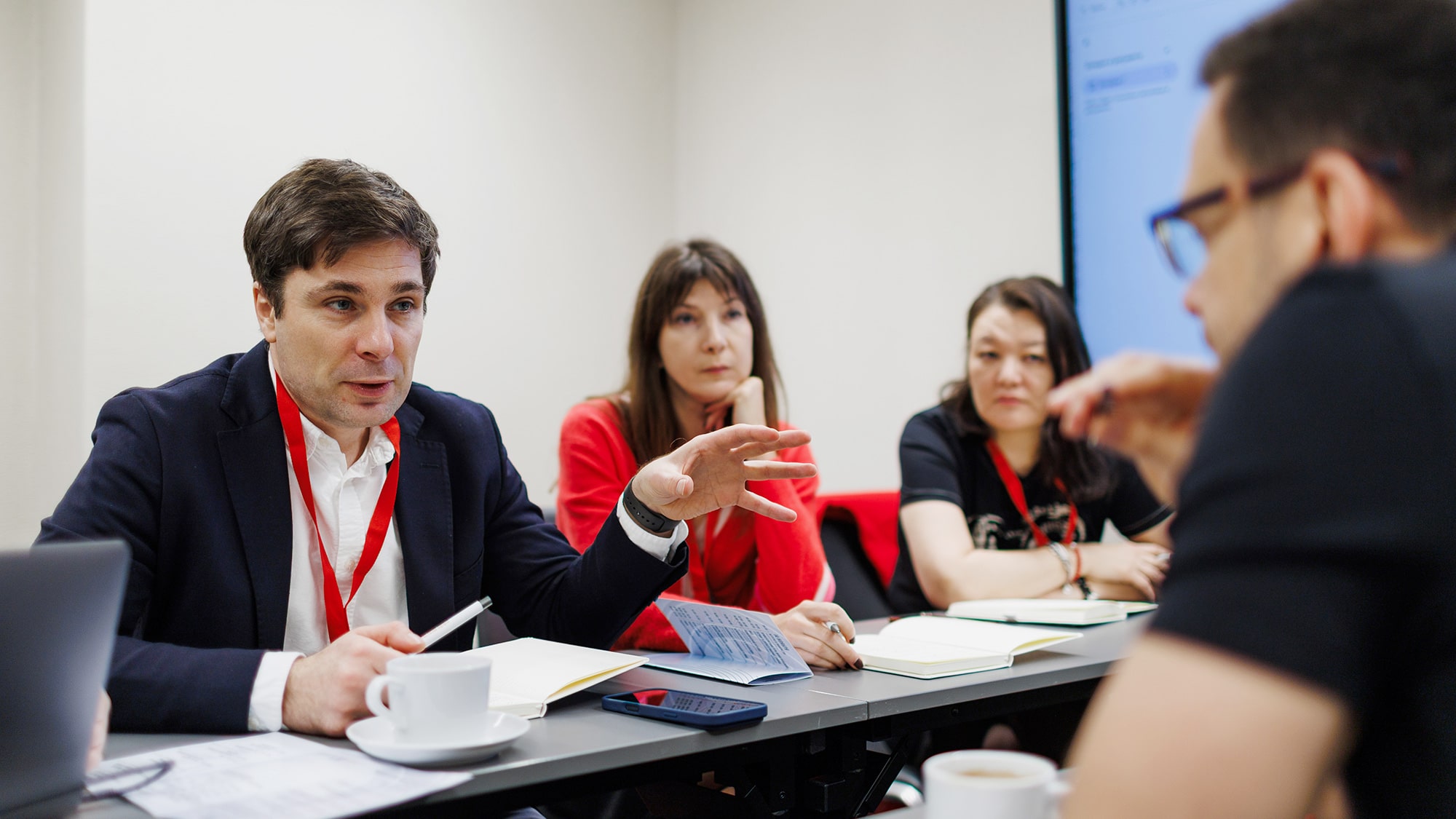
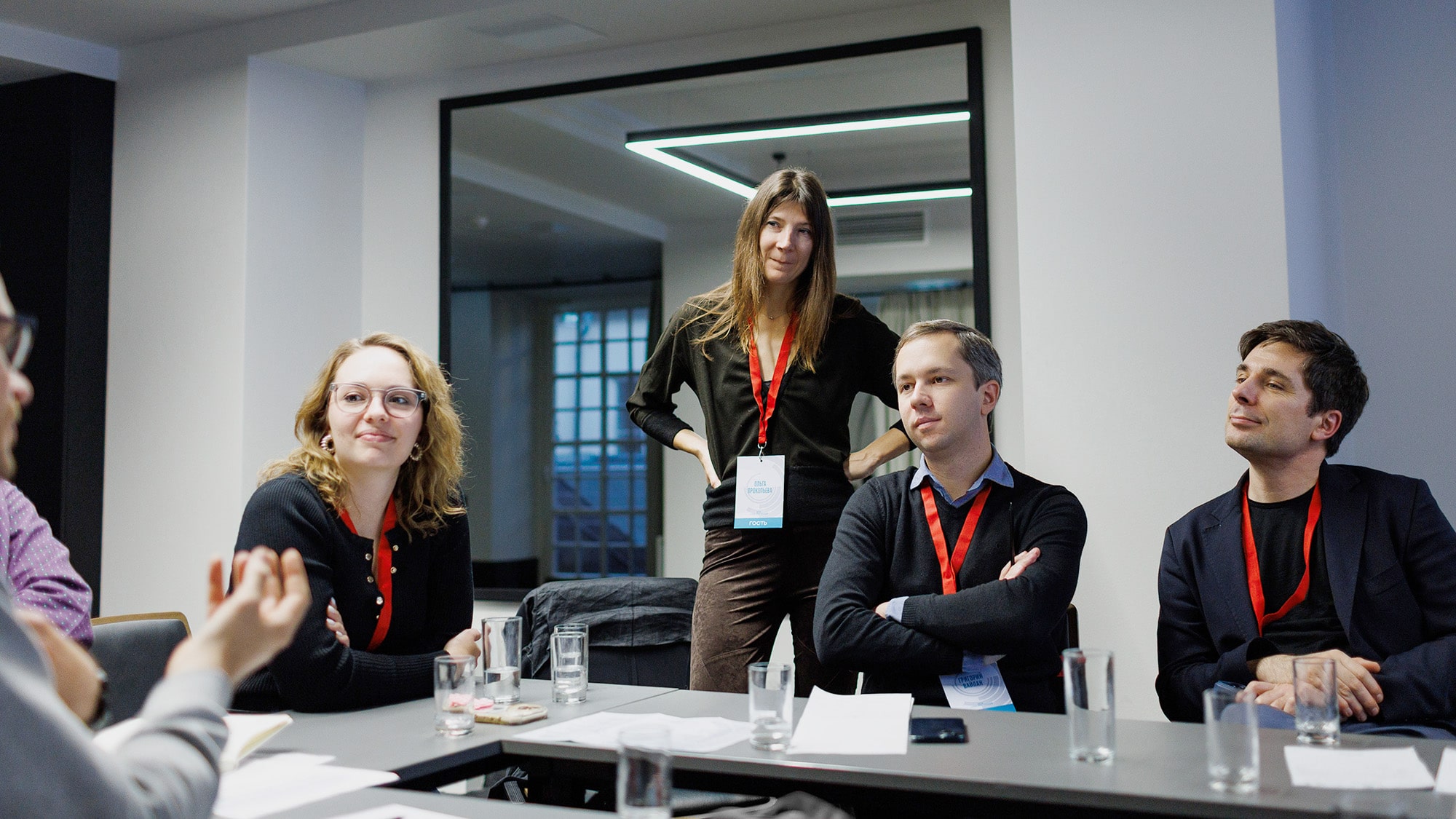
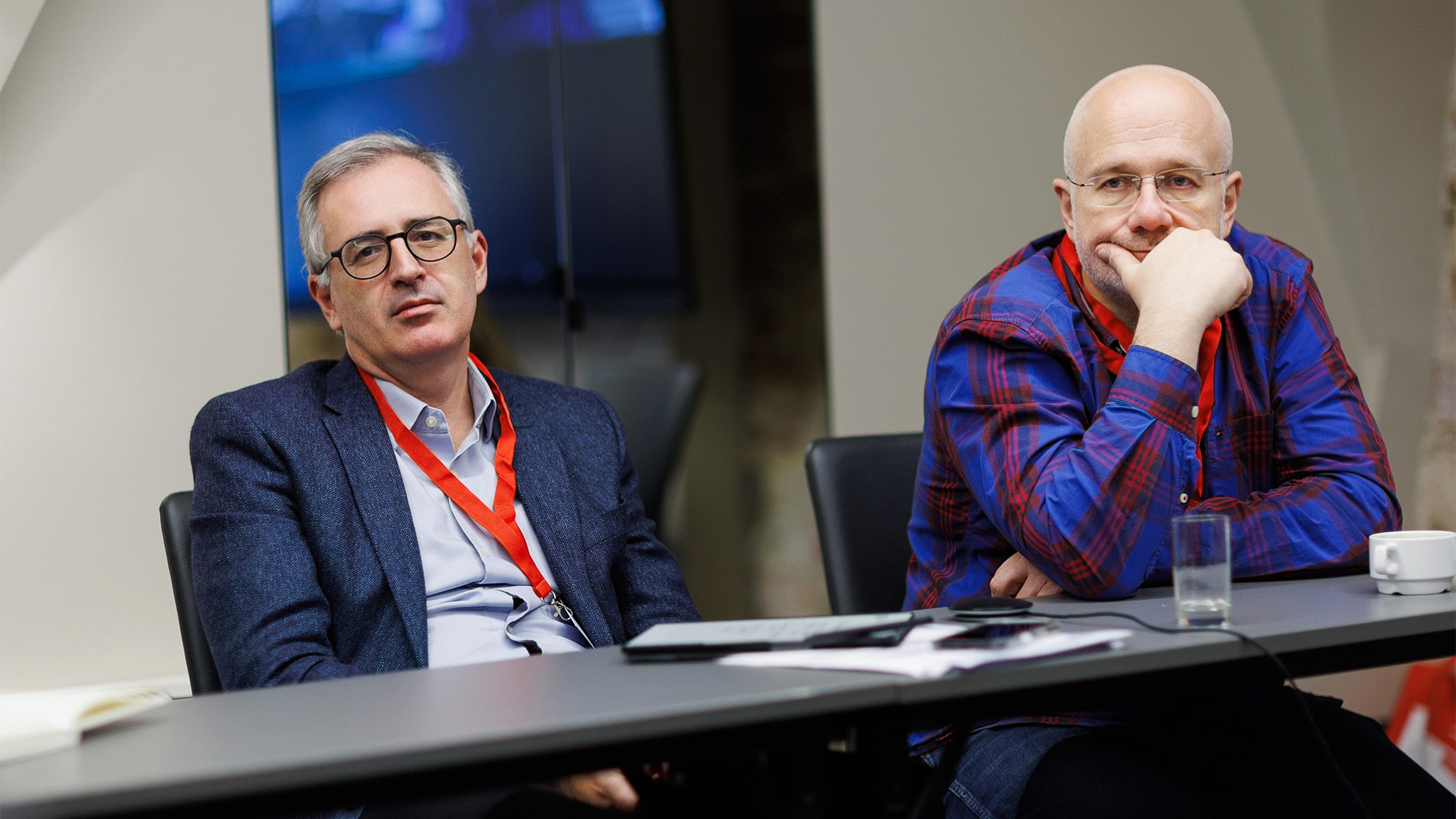
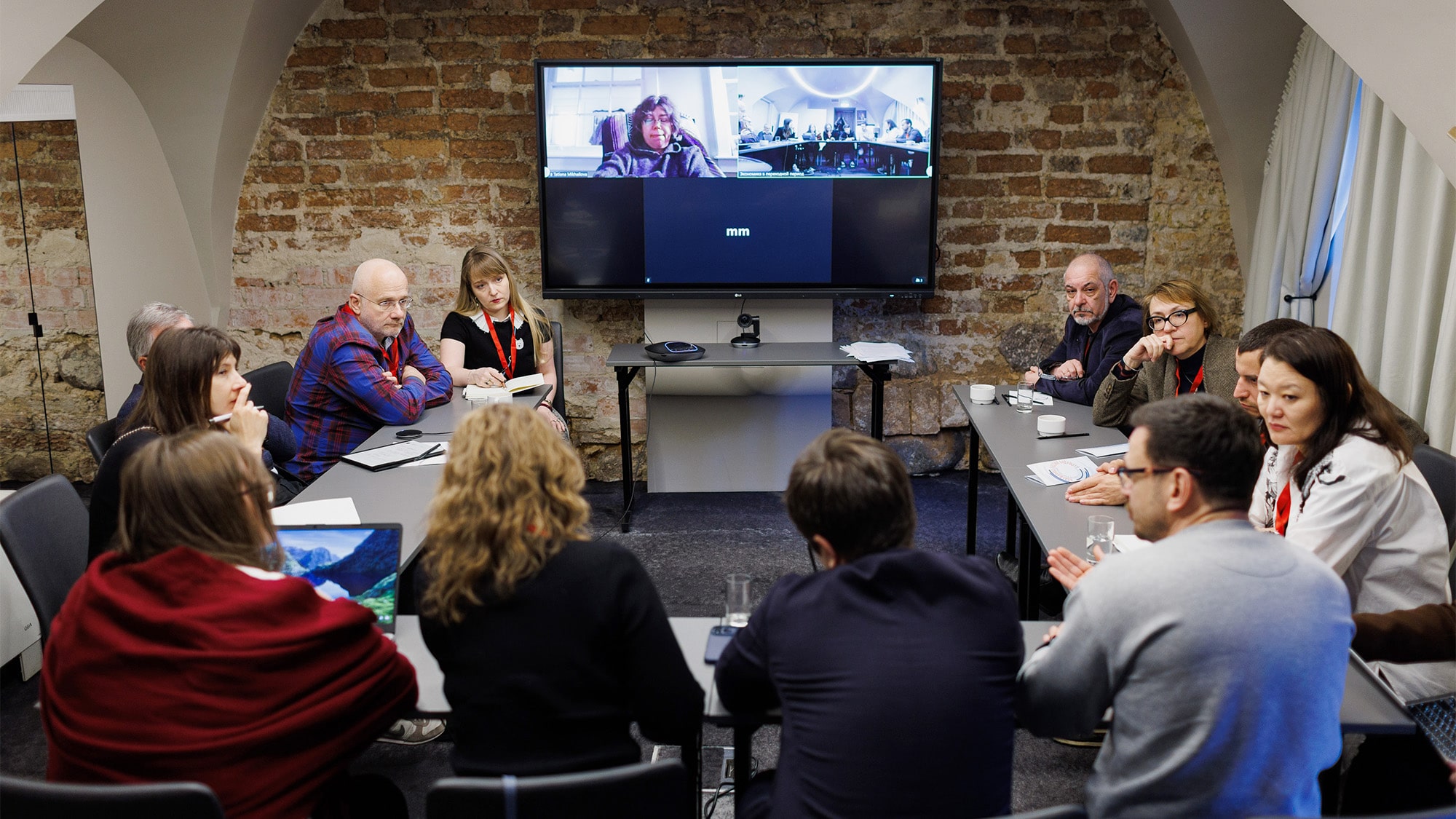
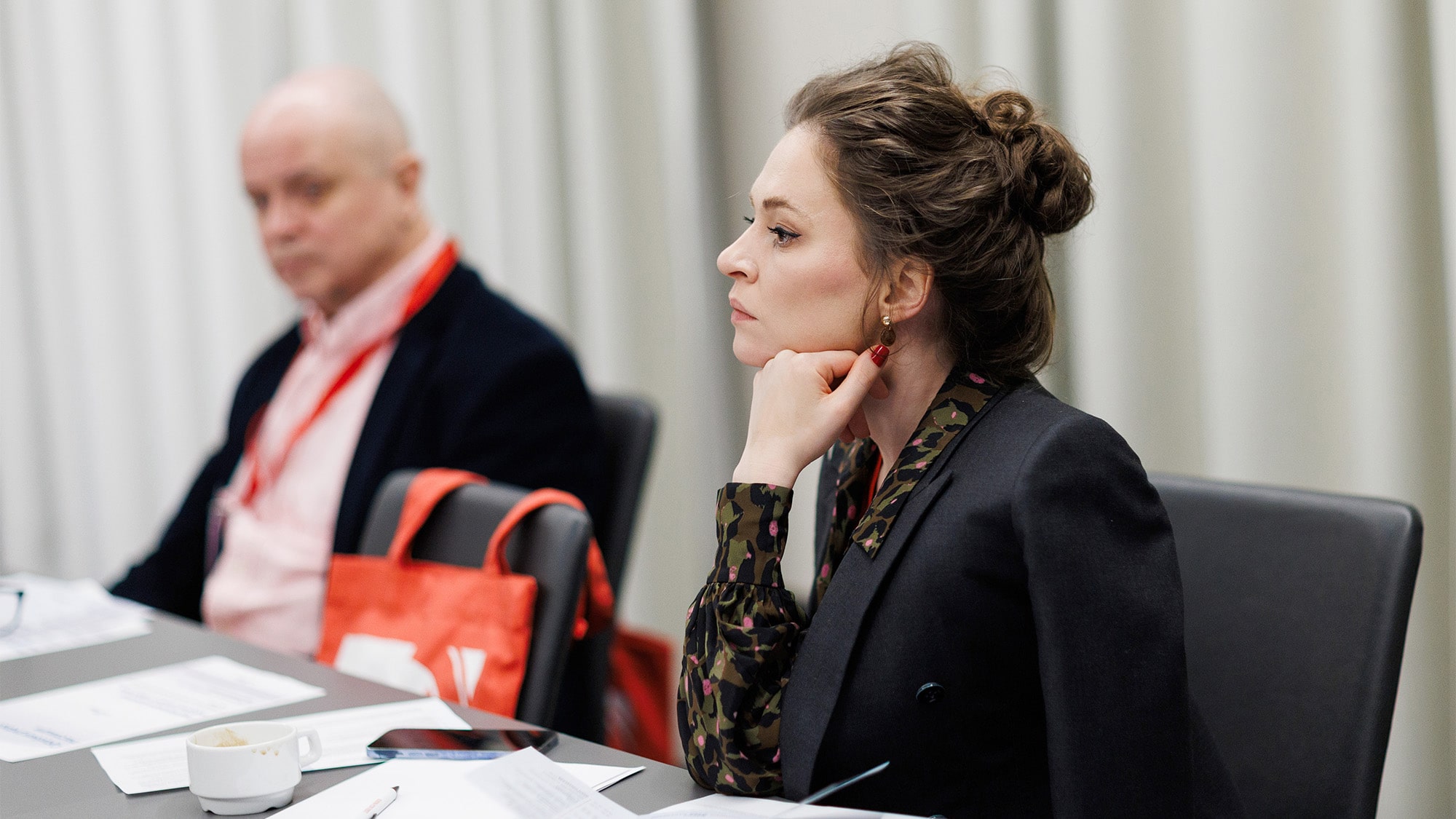
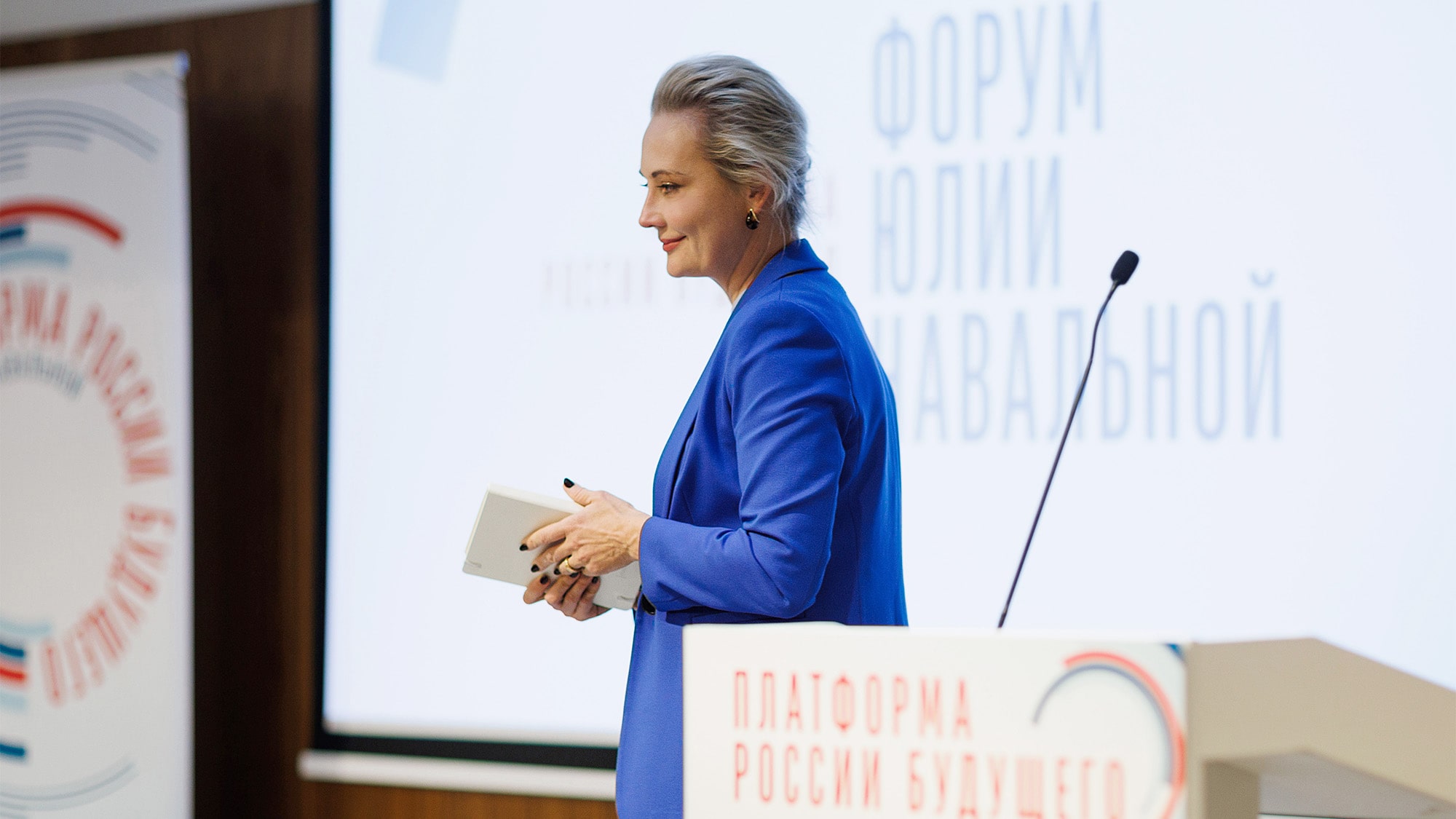
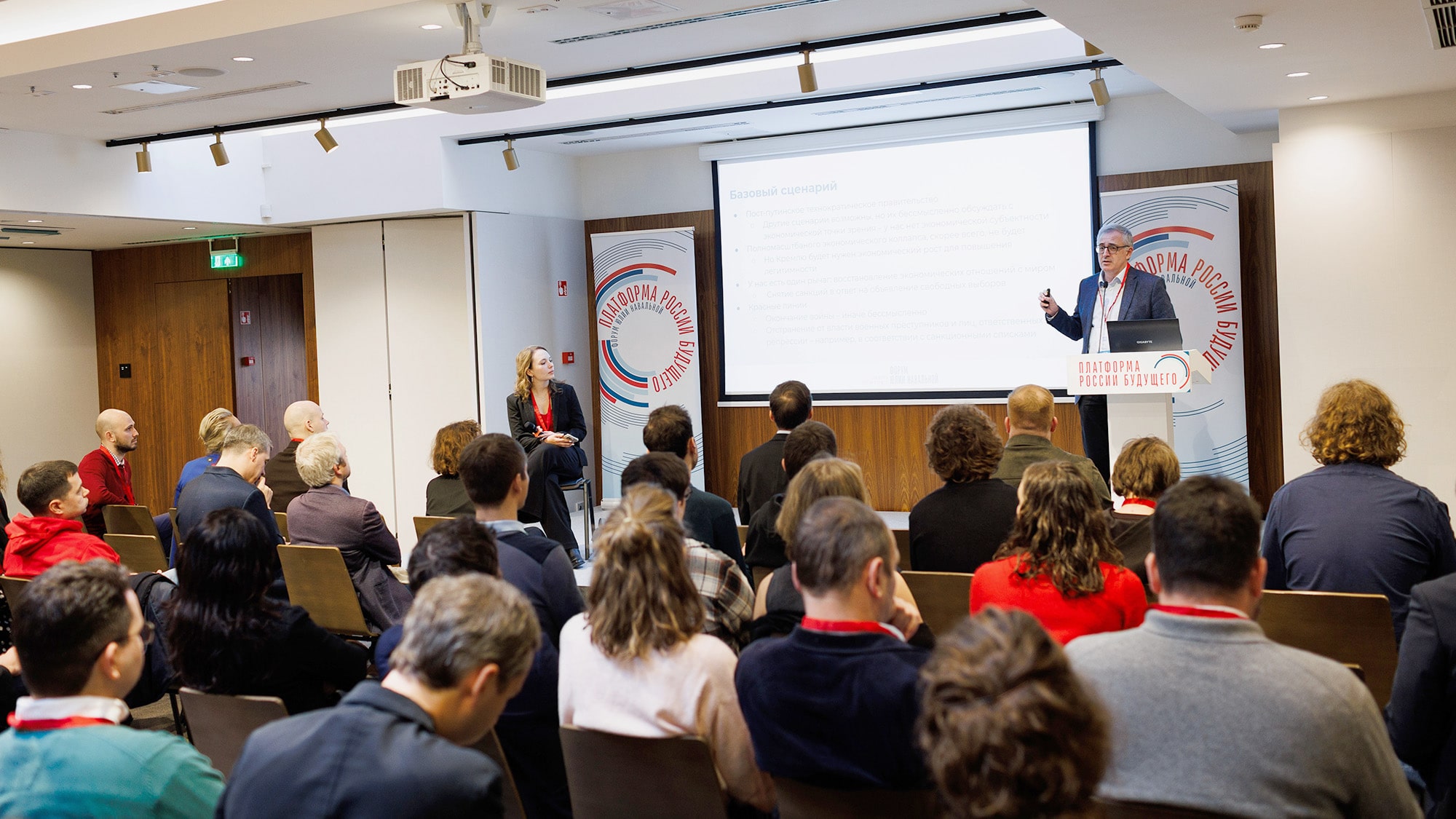
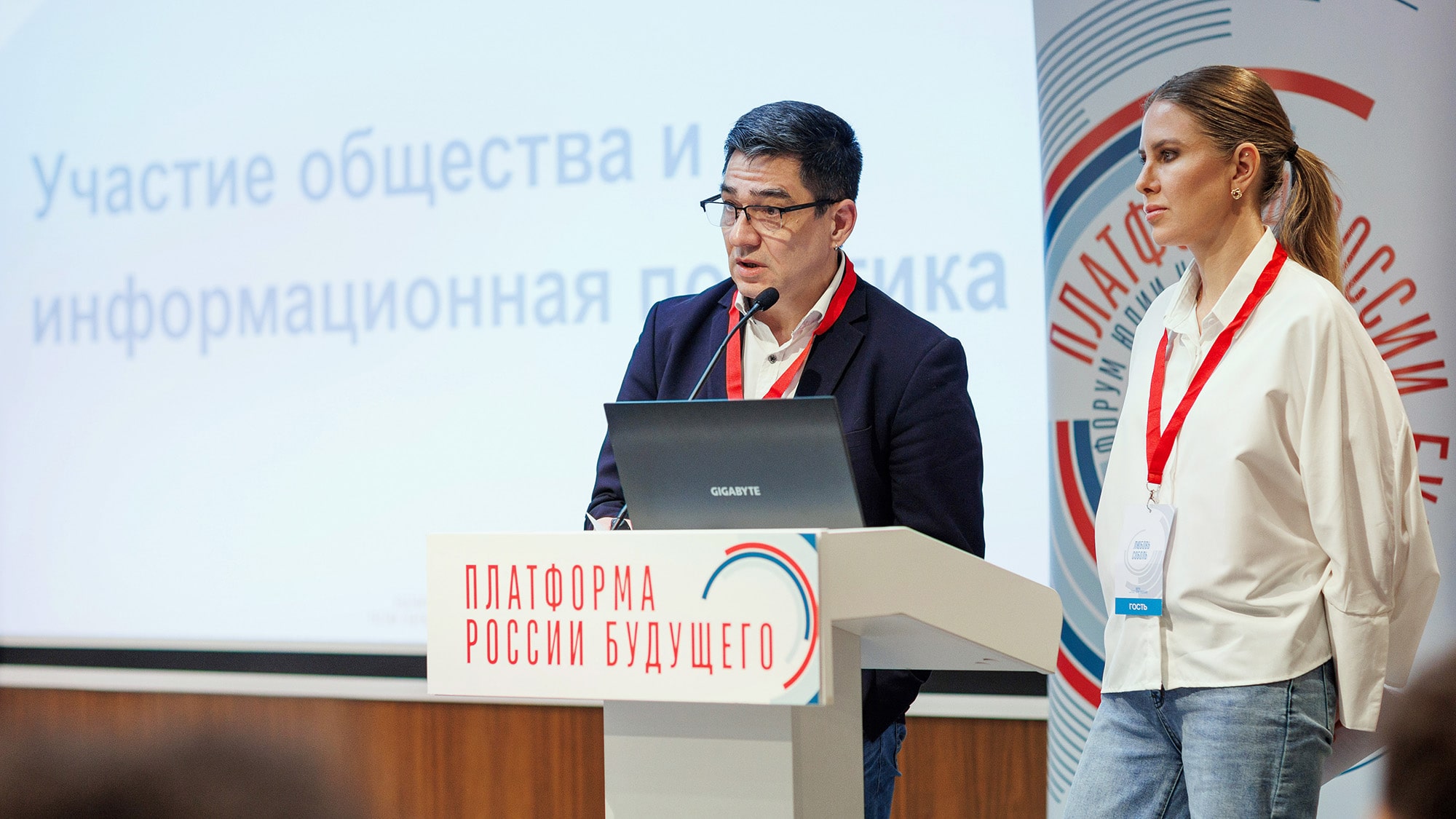
The Yulia Navalnaya Forums are unique in their atmosphere. On the one hand, you have intensive, focused work on concrete reforms; on the other, warm and friendly conversations among people who have known each other for years — journalists, politicians, human rights advocates, activists. It is precisely this combination that gives rise to genuinely valuable ideas — without any irony — about how to build the Beautiful Russia of the Future.
Three days are, of course, not enough for discussions of this scale, but the progress is already tangible. I wish all my colleagues bold, profound ideas and the energy to realise them.

Lyubov Sobol
Politician and lawyer
The Yulia Navalnaya Forum is a remarkable expert colloquium that includes: a task-setting stage (which, luckily, produced clear and realistic goals), a discussion stage (allowing for coordinated solutions and well-reasoned proposals), cross-disciplinary meetings (where key positions were harmonised), and a clear and concise presentation stage (all the presentations together form a roadmap for the opposition). What remains is to add further detail to this program. And yes, it will only be possible to act on this program once the terrorist regime in Russia collapses or at least begins to fracture. In the meantime, the Forum can use its own roadmap to present constructive criticism of the actions and policies of Putin’s government.
Kirill Kharatyan
Journalist and opinion editor, The Moscow Times
For me, the Forum is a space where intellectual thinking, political analysis, and academic insight come together with a practical perspective.
The unique format of working in separate groups makes it possible not only to produce a final document, but also to have discussions that broaden our horizons and give real food for thought. It is a true privilege to work alongside the professionals here.

Alexandra Filippenko
Political scientist, American Studies scholar

Student competition
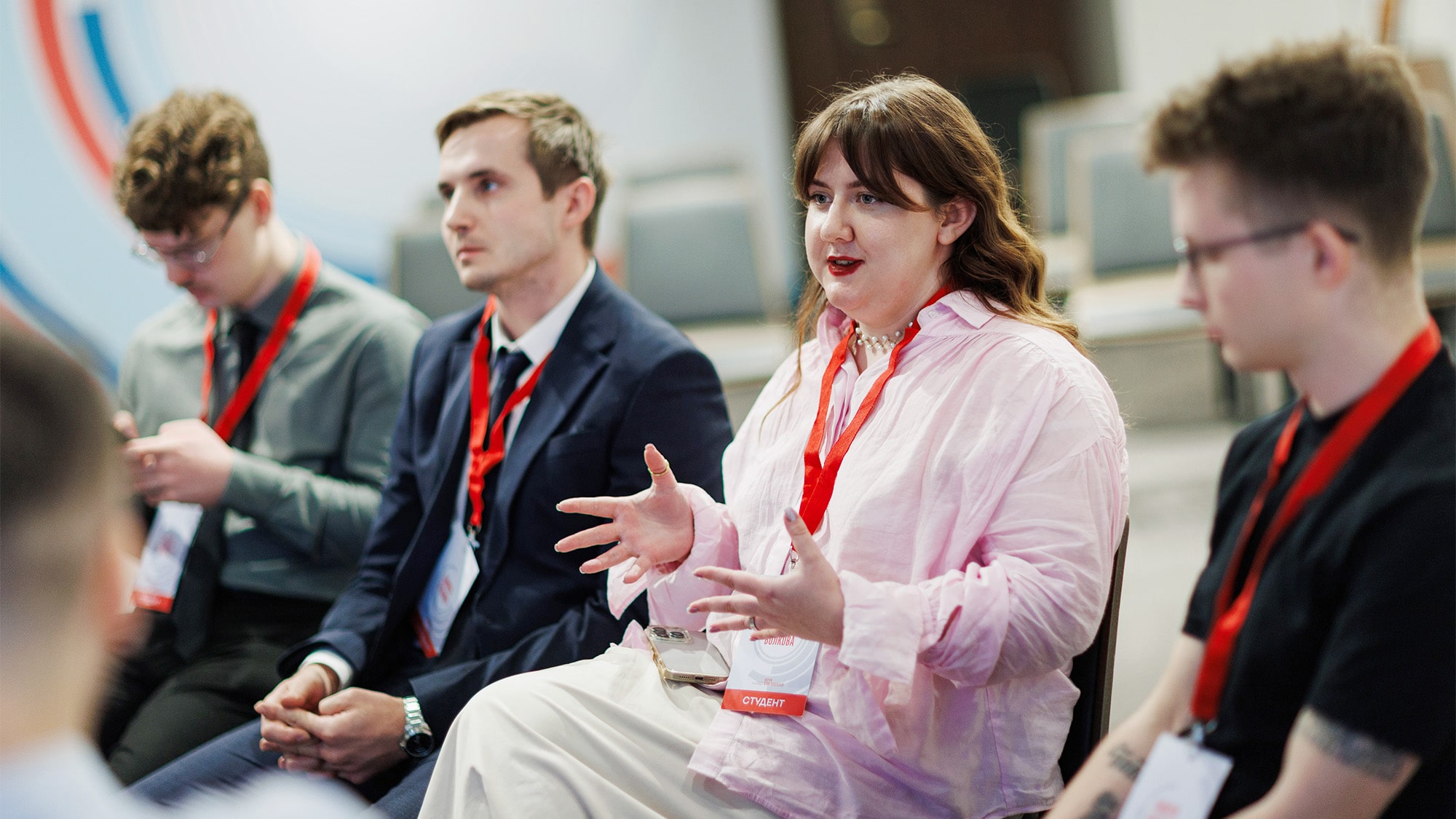
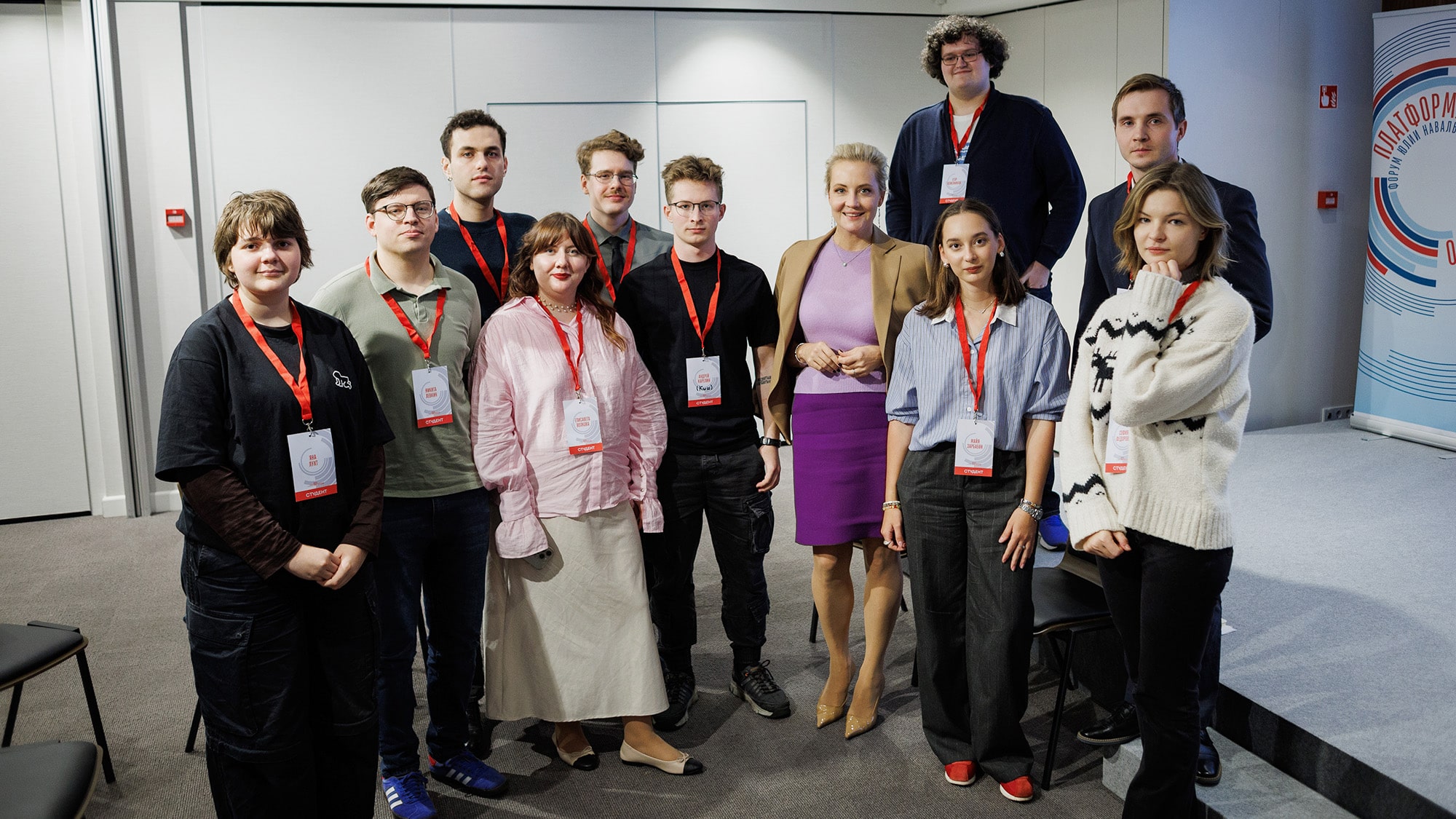
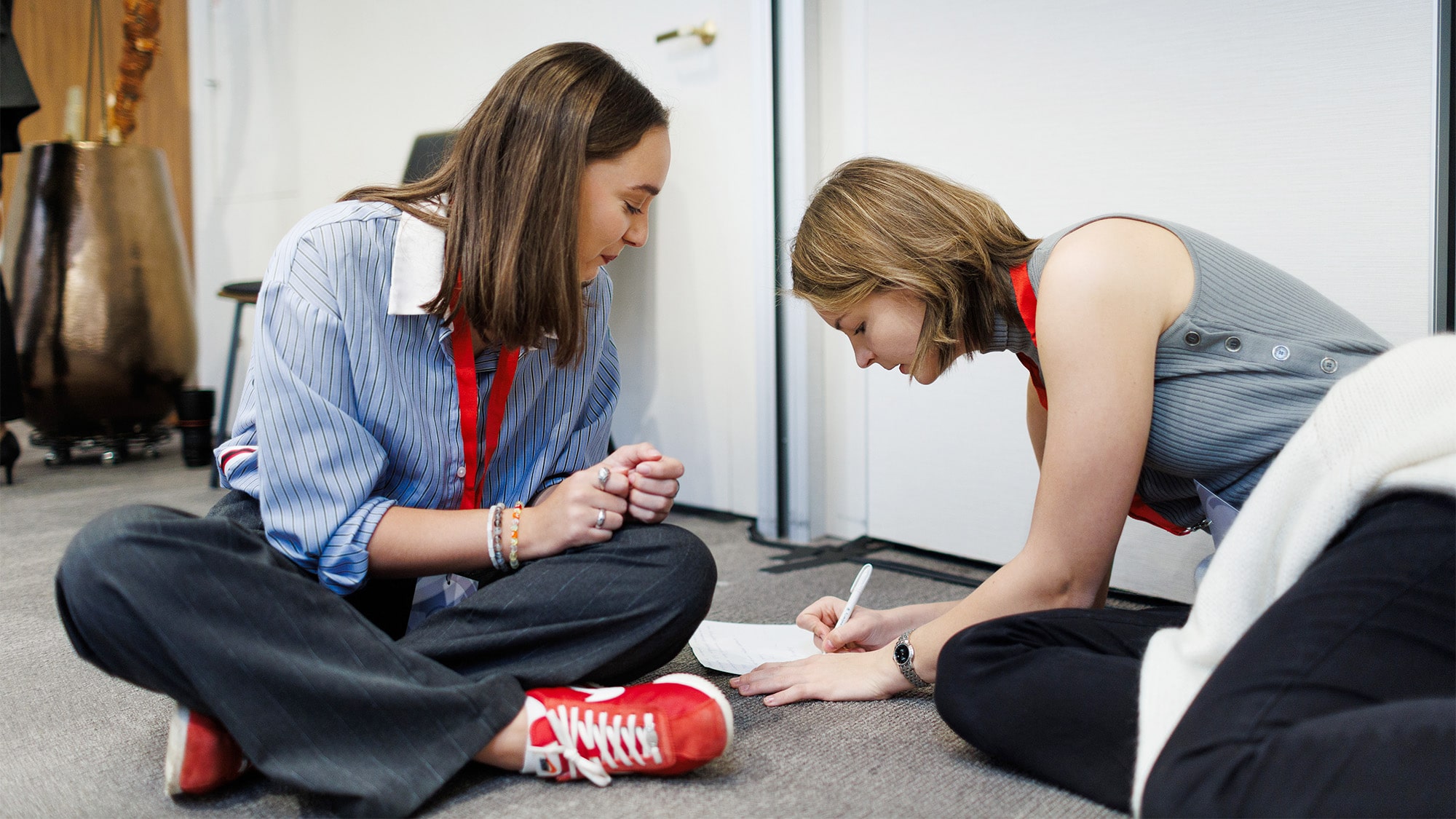
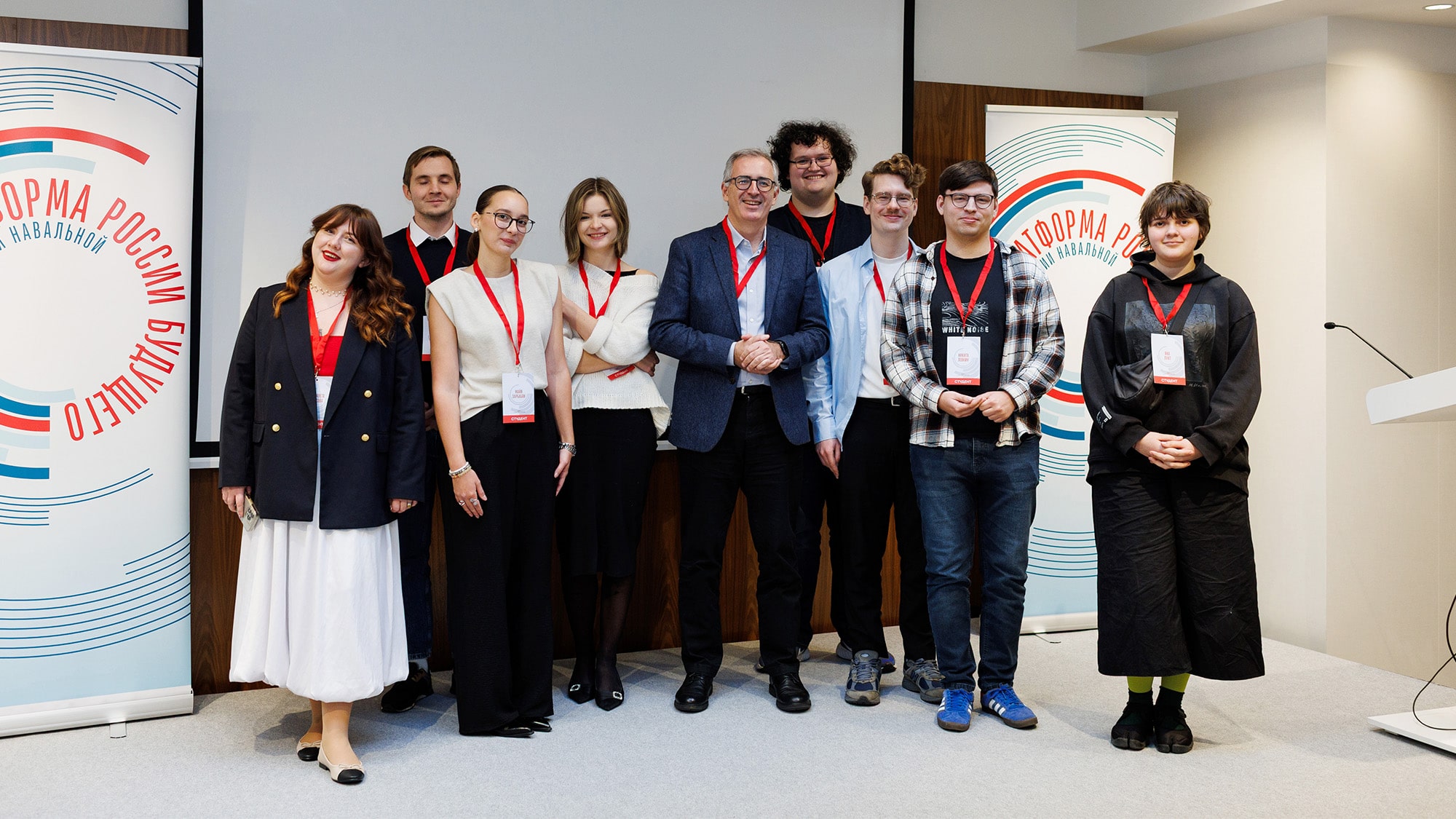
As at the previous Forum, we were joined by ten Russian students from a wide range of universities. Hearing their vision of political transition is especially valuable to us — these young, active people with a spark in their eyes may one day put these ideas into practice.
Participating in the Forum was an incredibly powerful experience for me. The unexpectedly warm atmosphere allowed us to discuss difficult topics freely and to feel that our opinions genuinely mattered. This openness, both in conversations with us students and during the lectures, created a long-awaited sense of solidarity, while exchanges with experts inspired confidence in our own ideas and strengthened the desire to move them forward. After the Forum, the Beautiful Russia of the Future feels like a path we are already walking, coming closer to the goal each day.

Yegor Kozhevnikov
Student, Charles University, Prague