
IV Expert Forum
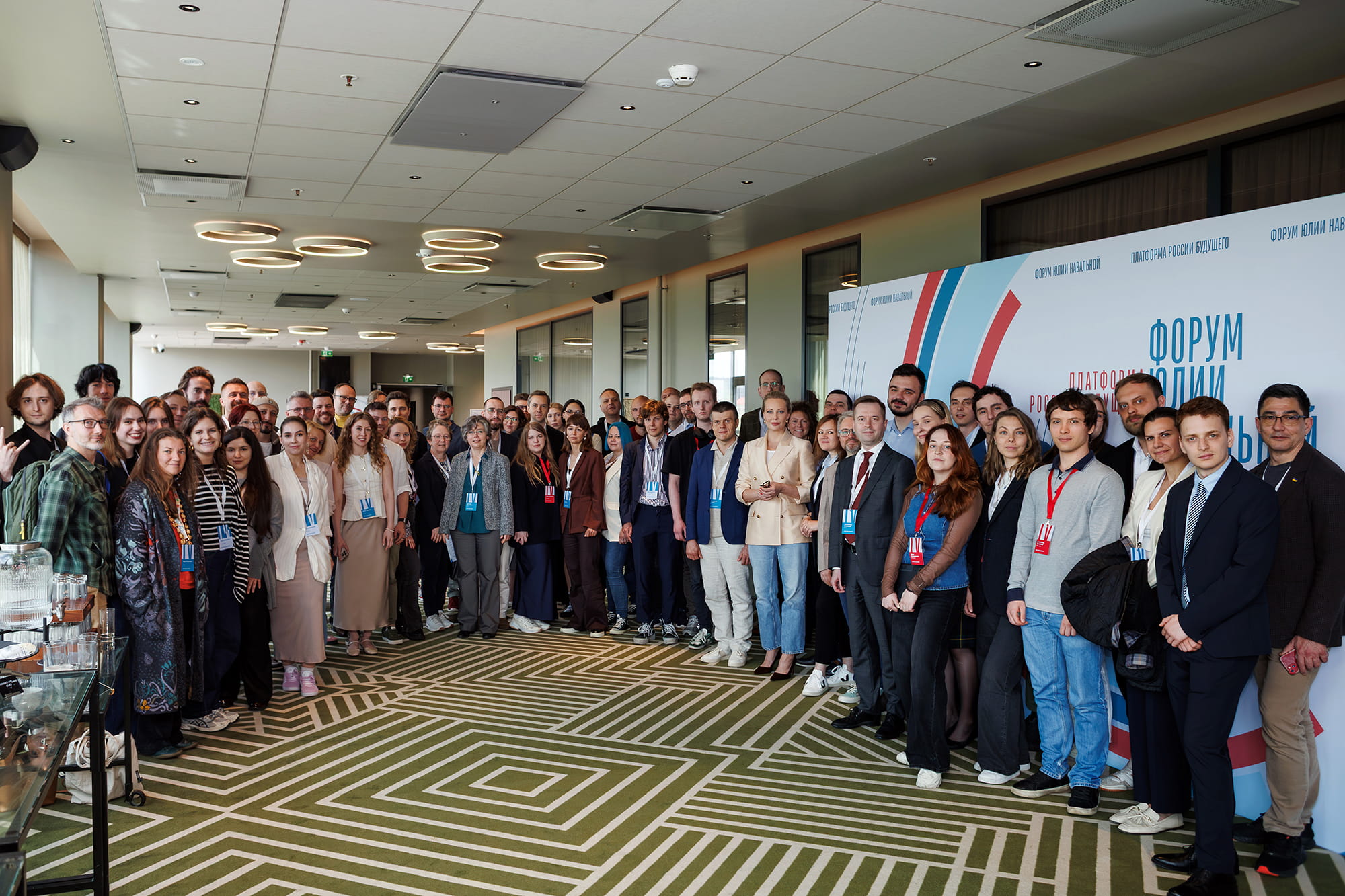
The Fourth Yulia Navalnaya Forum took place from May 15 to May 17, 2026. Fifty experts took part in the event, including specialists in technology, politics, law, environmental policy, economics, and human rights.
During the previous forum, participants focused on the transition period: the first reforms Russia would need and the key decisions it would face after the end of Putin’s dictatorship.
This time, experts focused on developing a more detailed roadmap for the changes they believe should follow a democratic transition.
The discussions took place in several working groups. Participants addressed political parties and electoral reform, the rehabilitation of political prisoners, environmental policy, regional governance and decentralization, international cooperation, and technology strategy.
You can explore the proposals developed by the expert groups:
These papers are part of a broader effort to develop a comprehensive program for change. The proposals will continue to be discussed, refined, and expanded at future forums.
Our goal remains the same: to think through both the immediate steps that will be needed after political change and the deeper structural reforms required to build a free, modern, and democratic Russia.
If you would like to recommend an expert or take part in future discussions yourself, please contact us at [email protected].
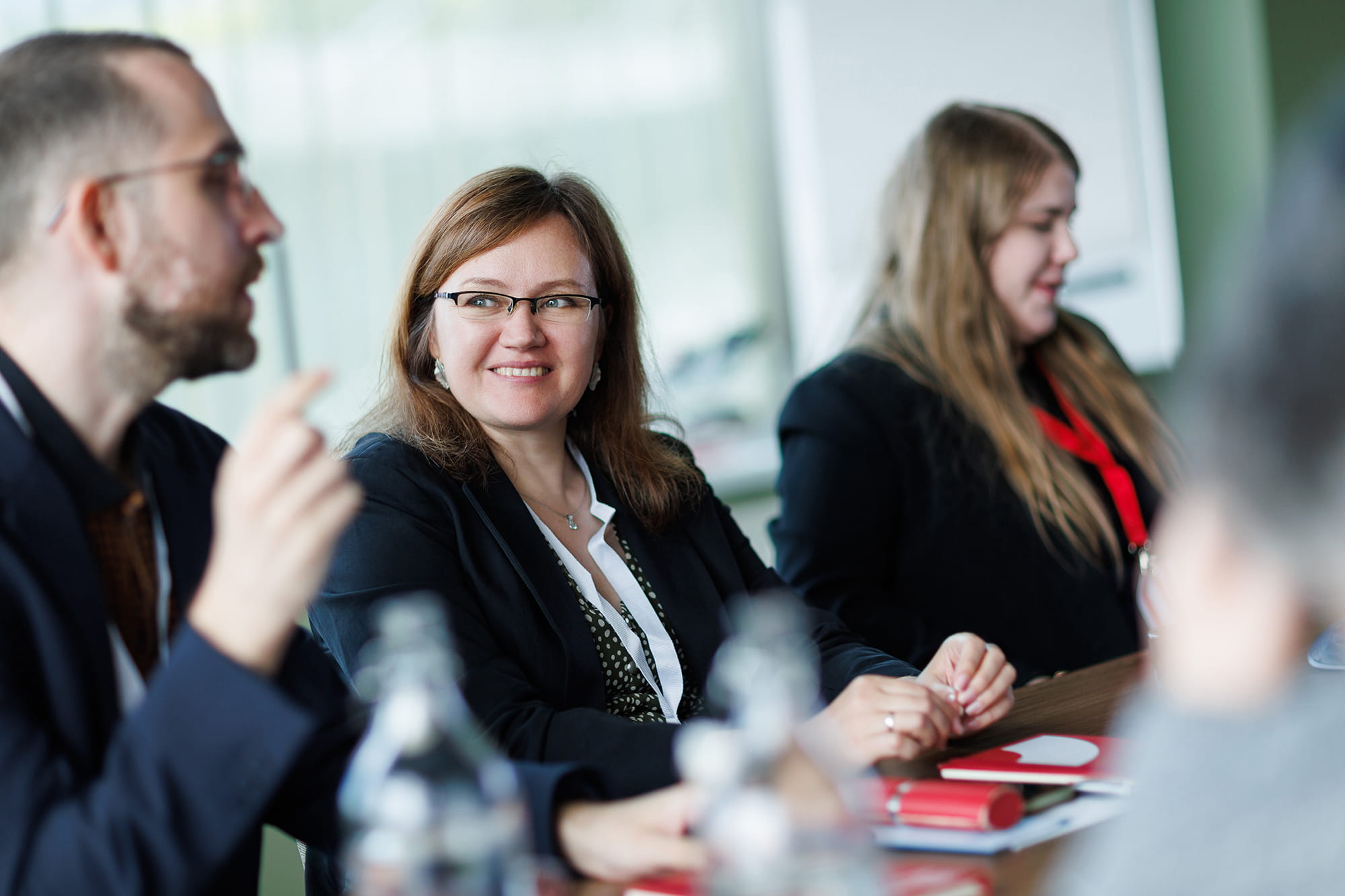
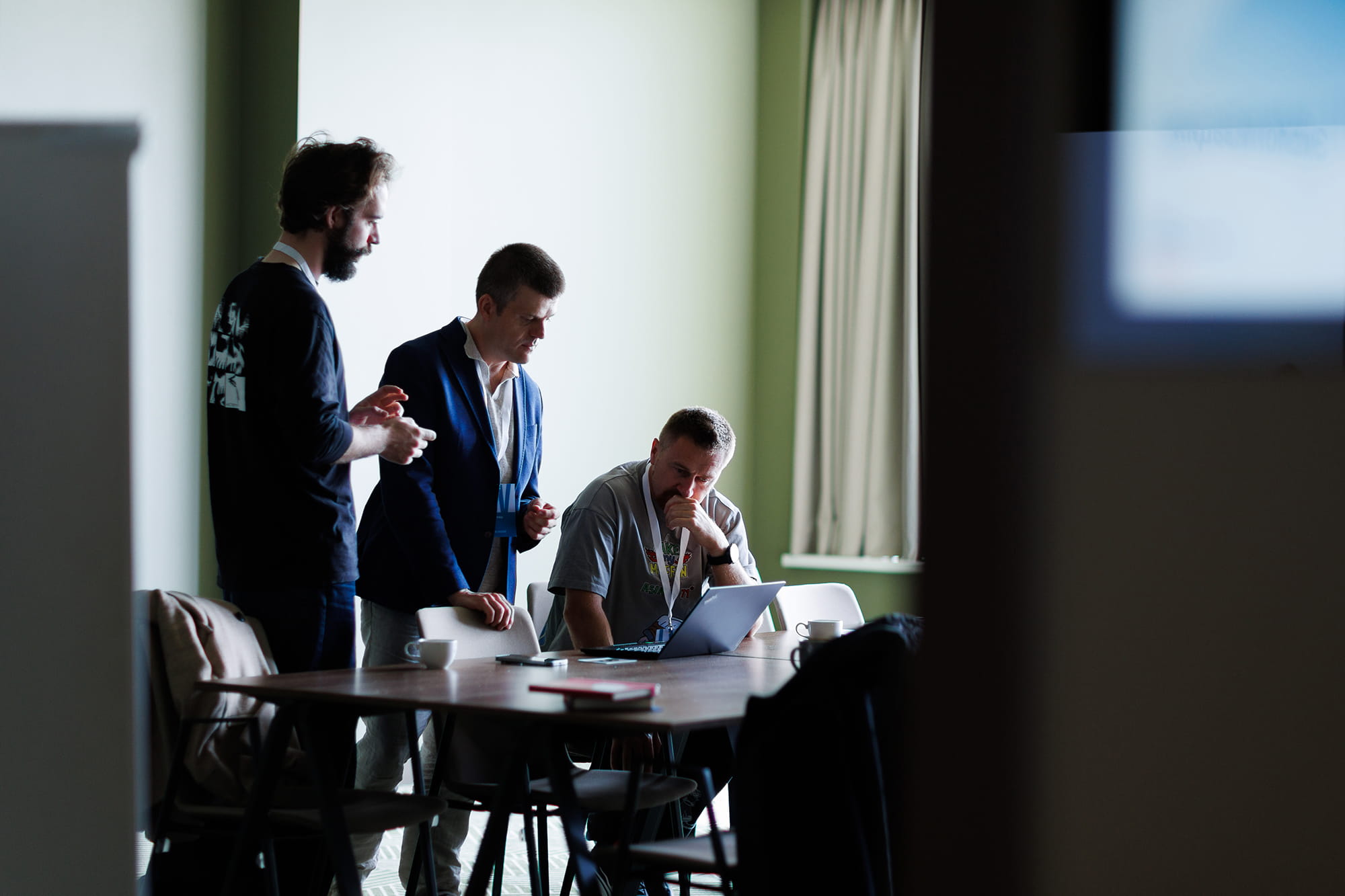
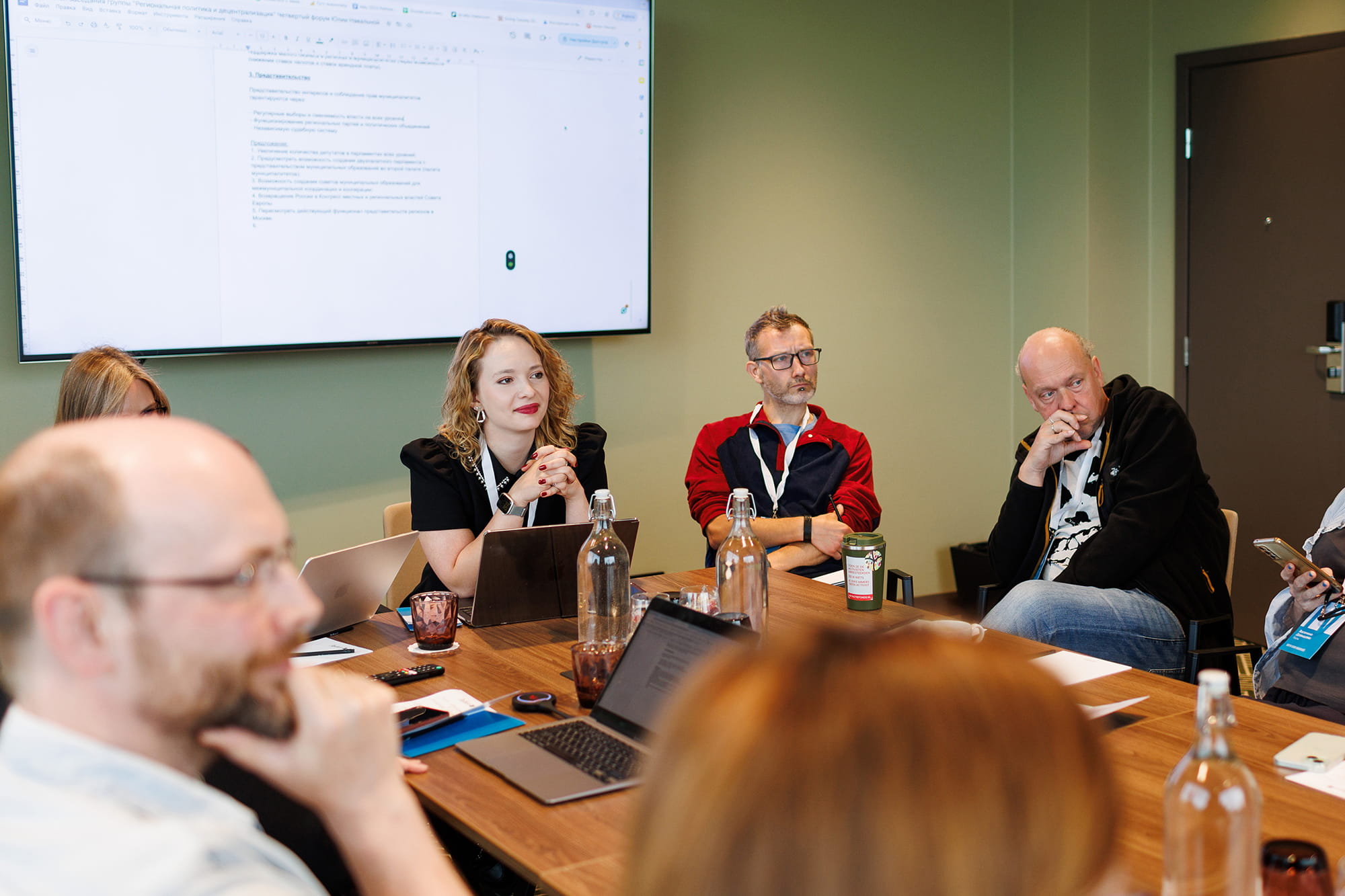
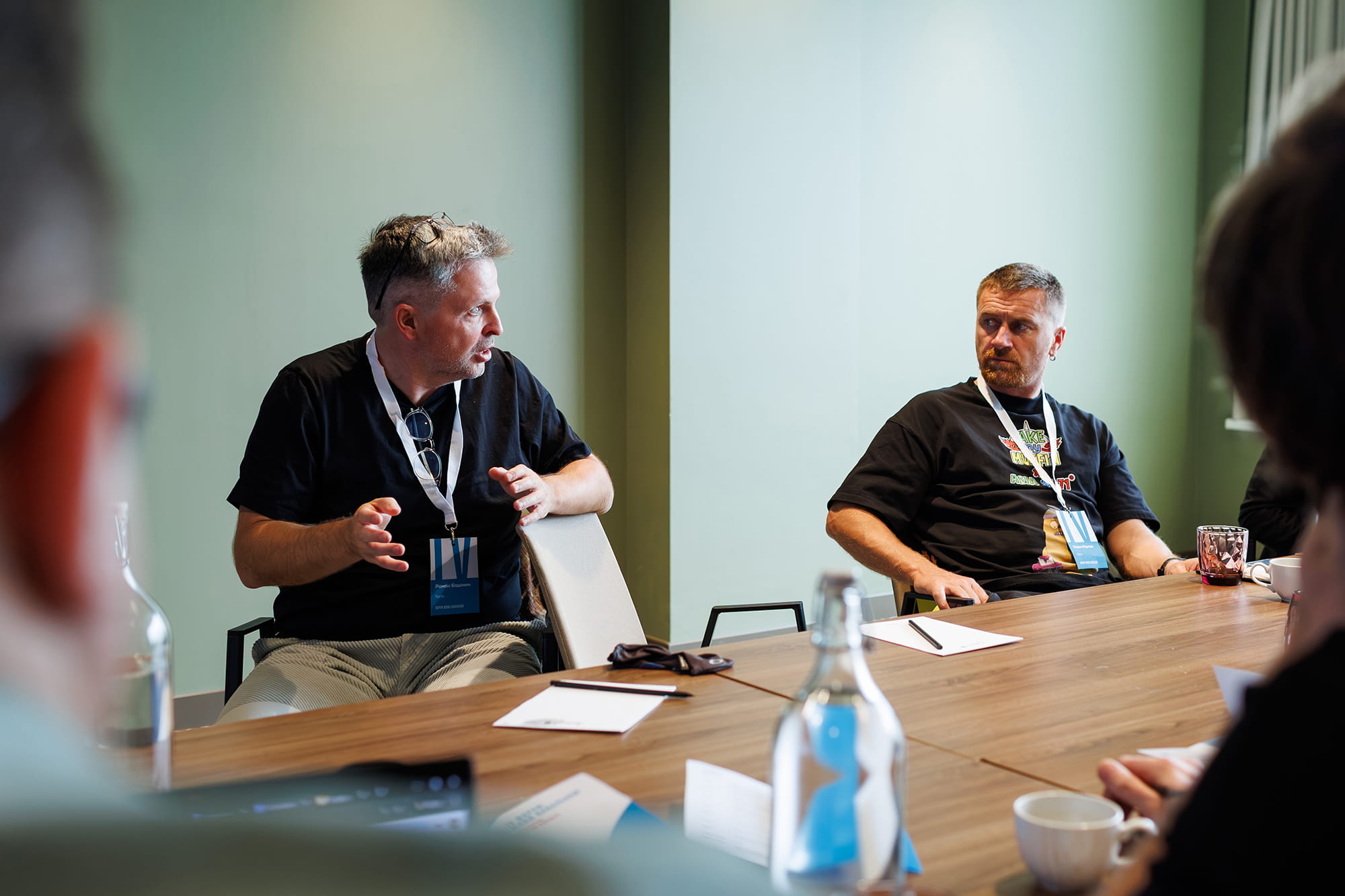
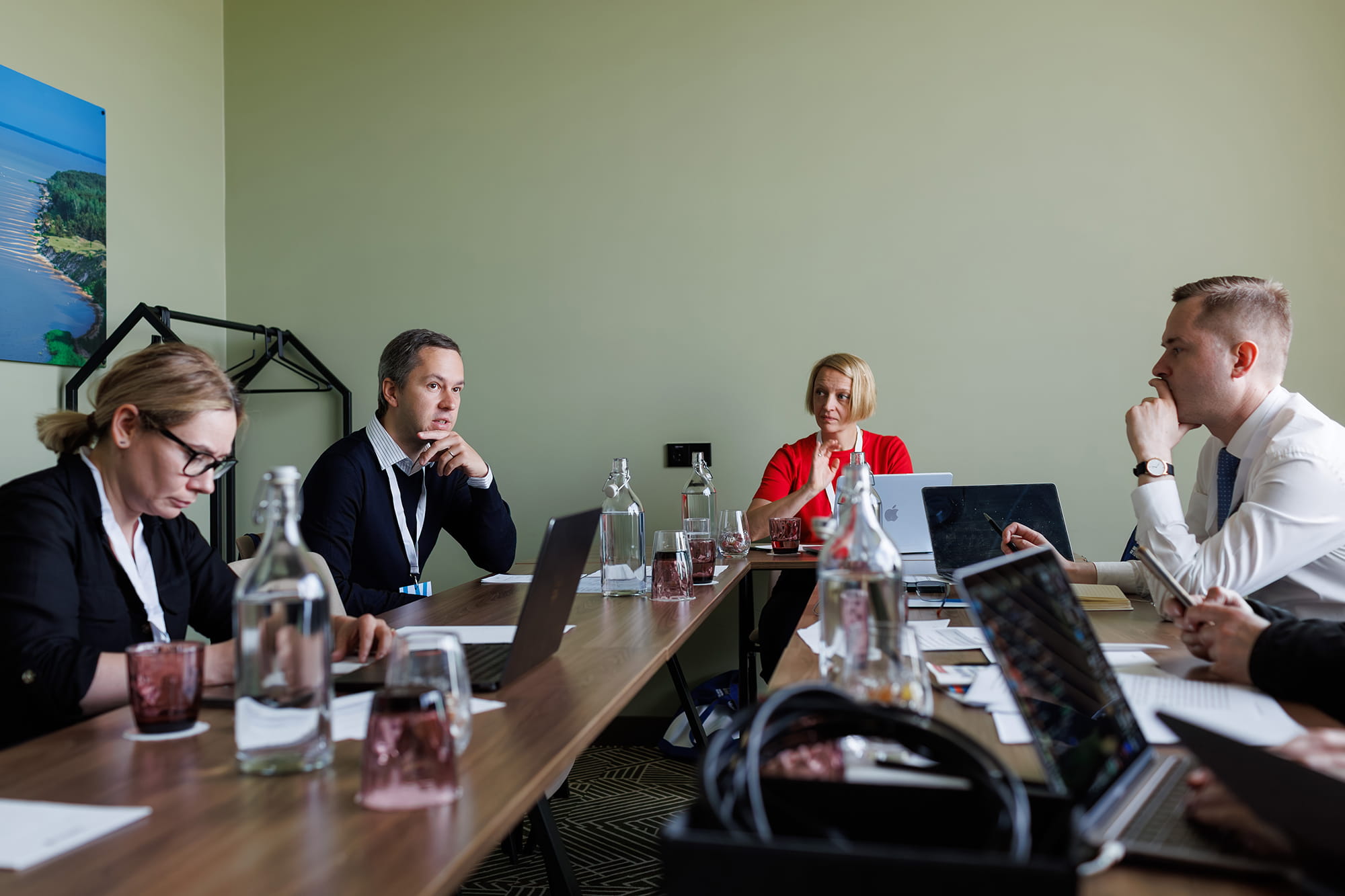
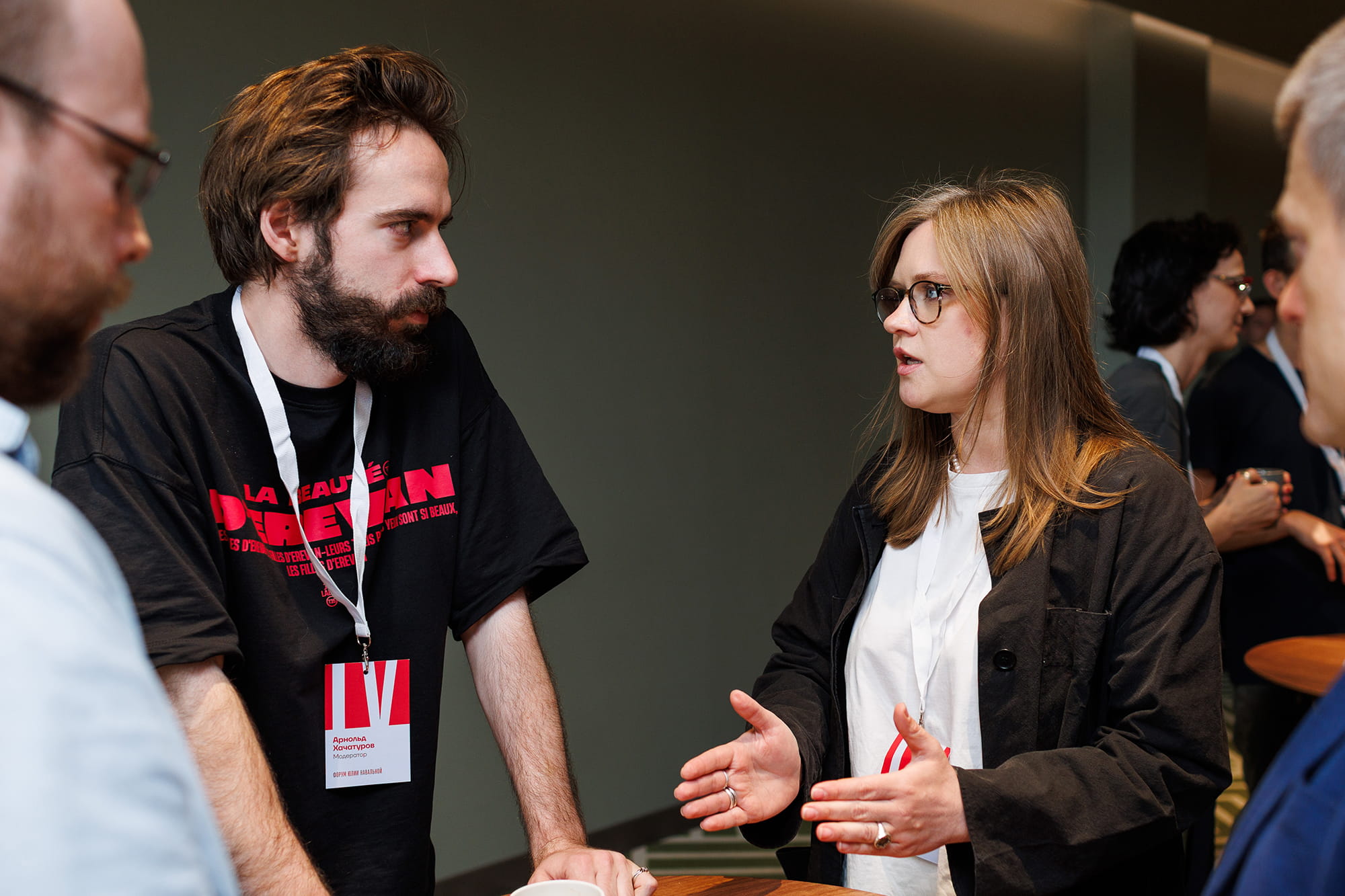
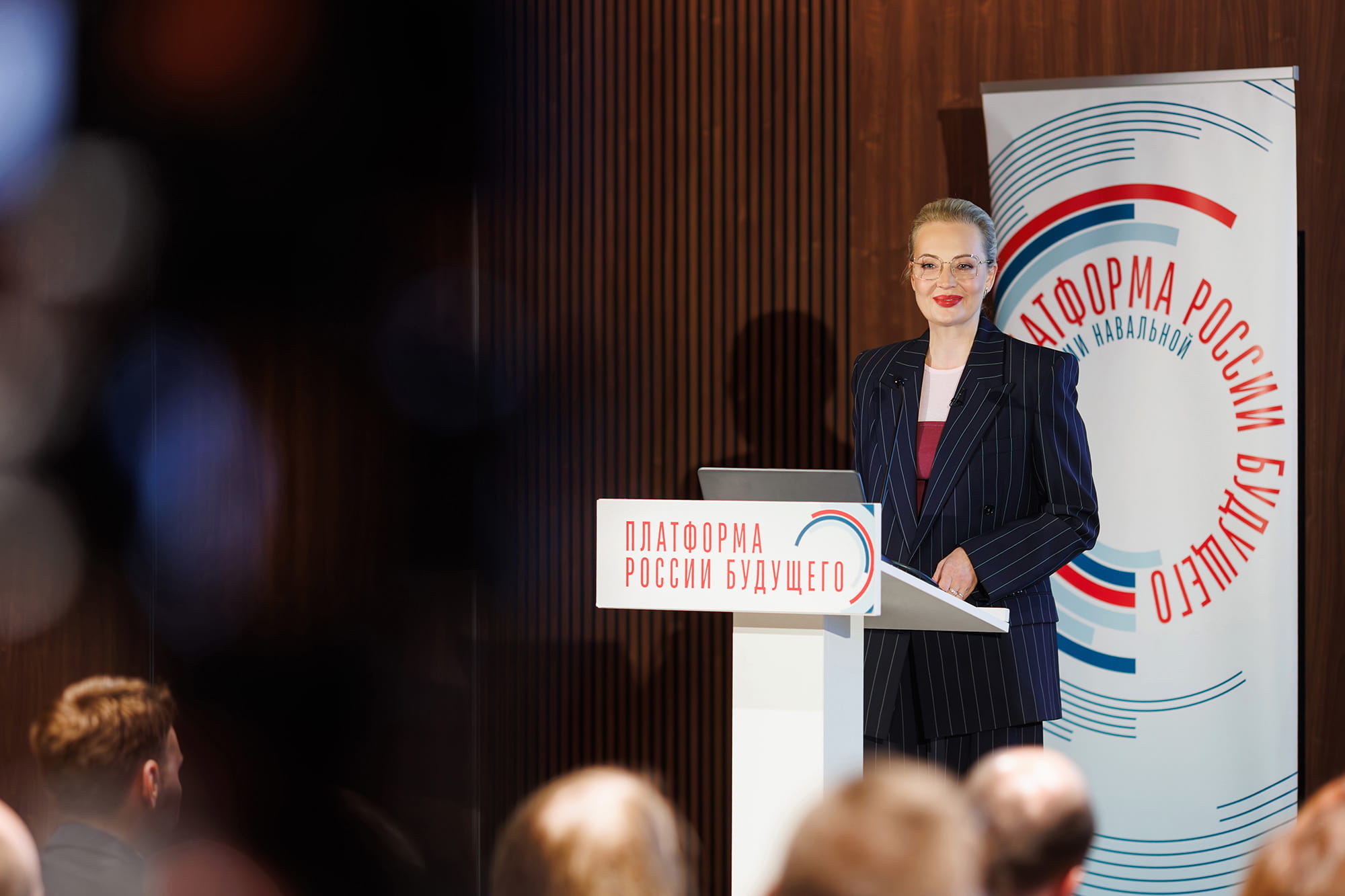
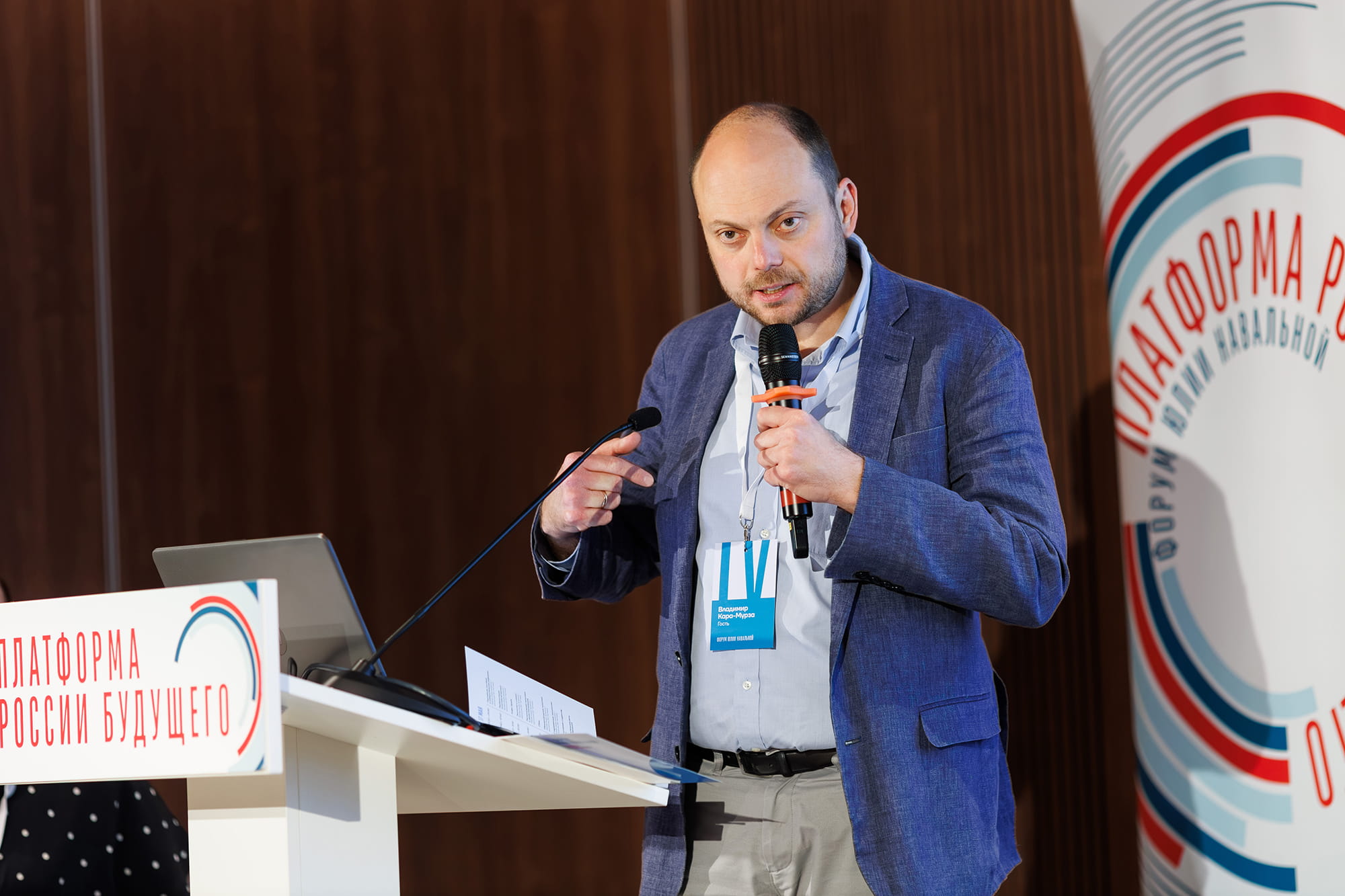
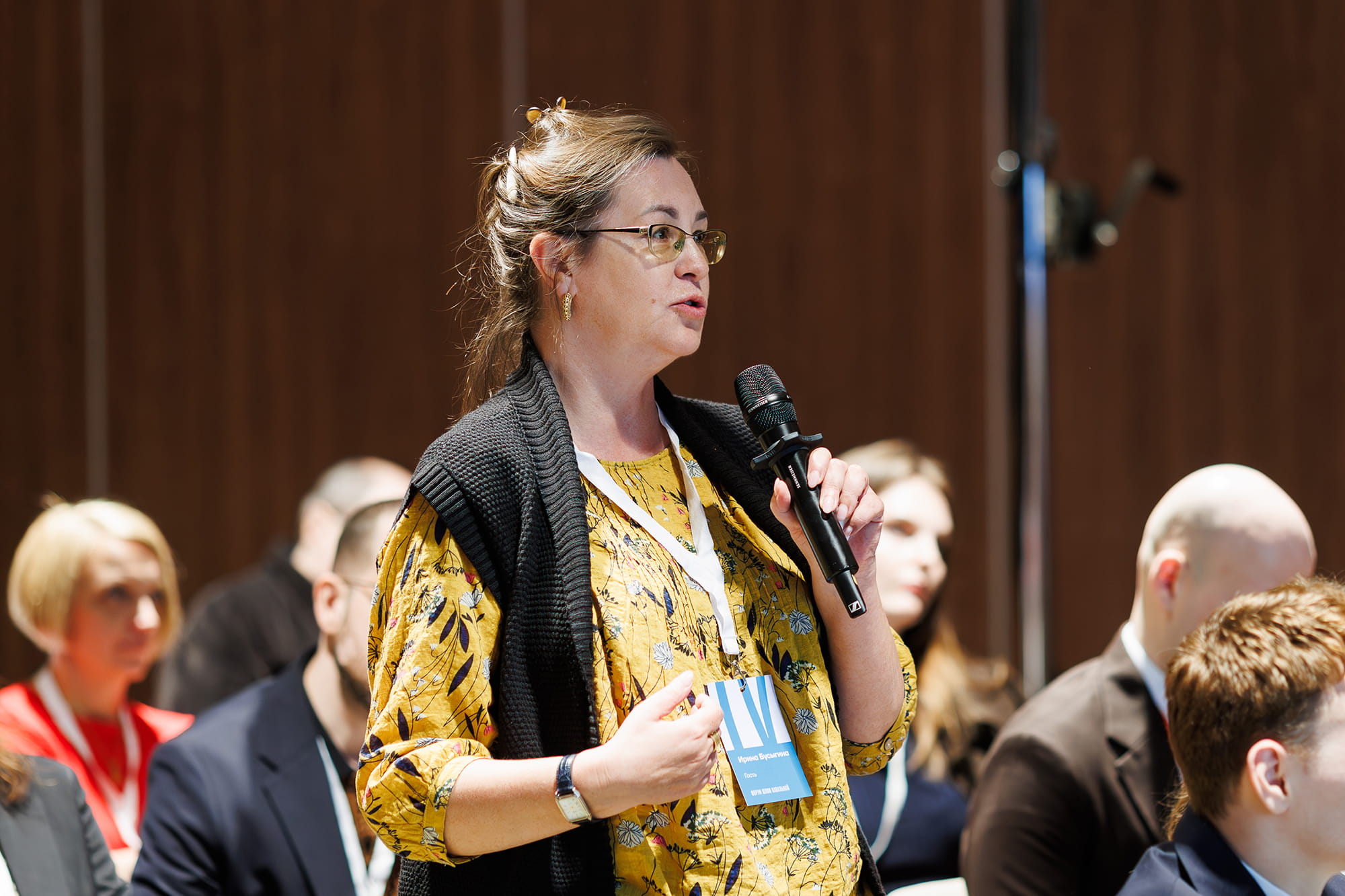
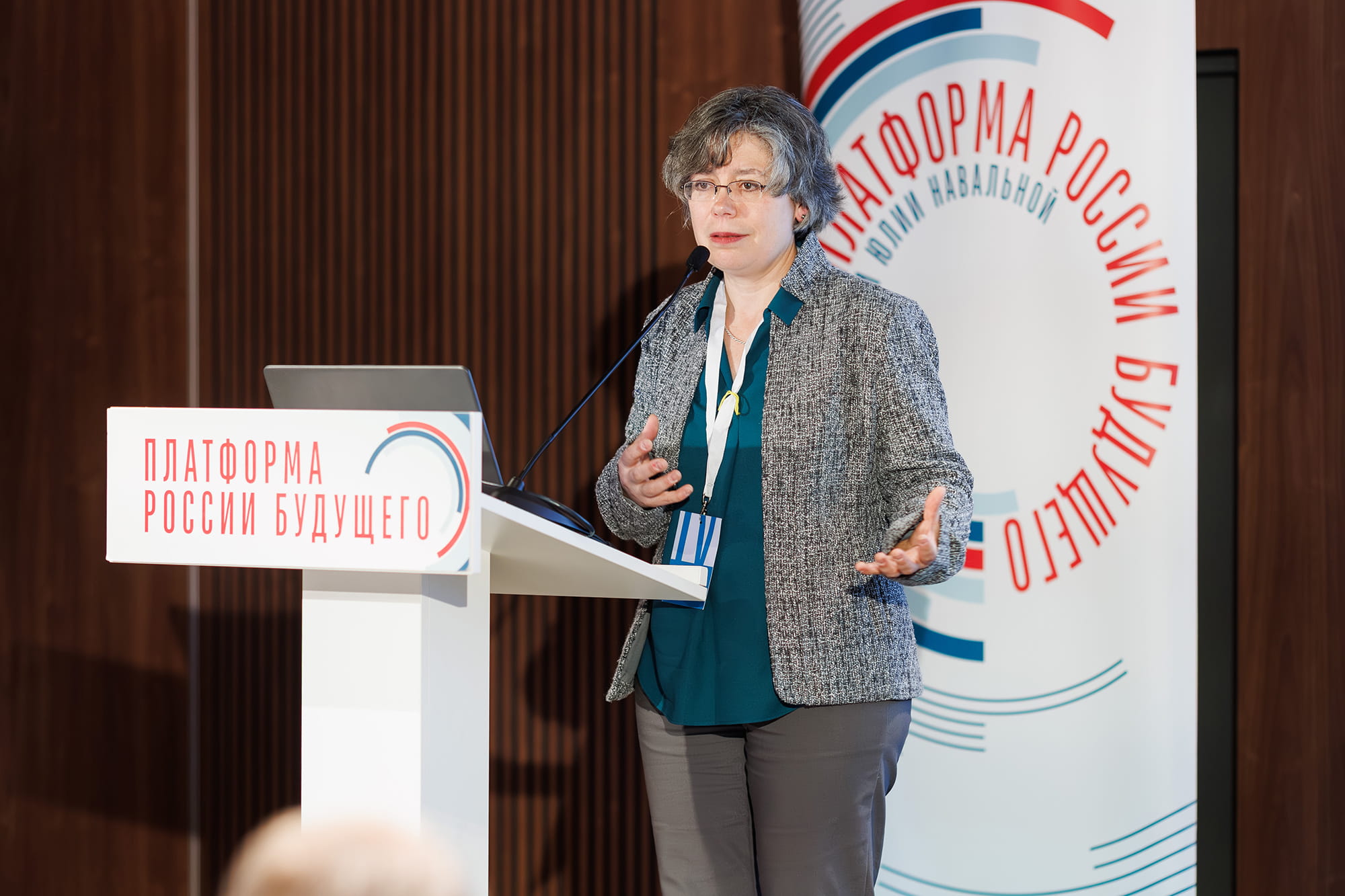
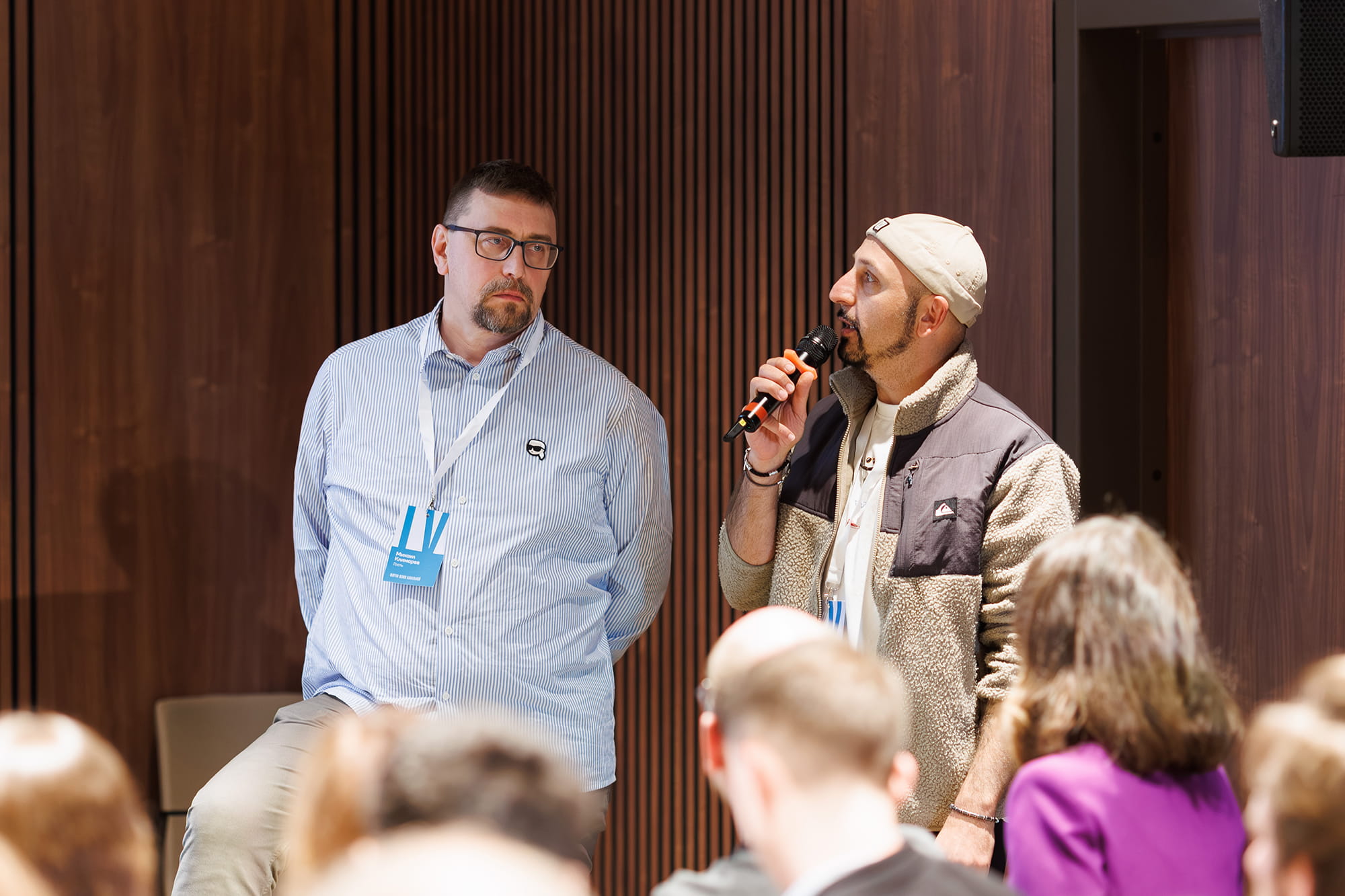
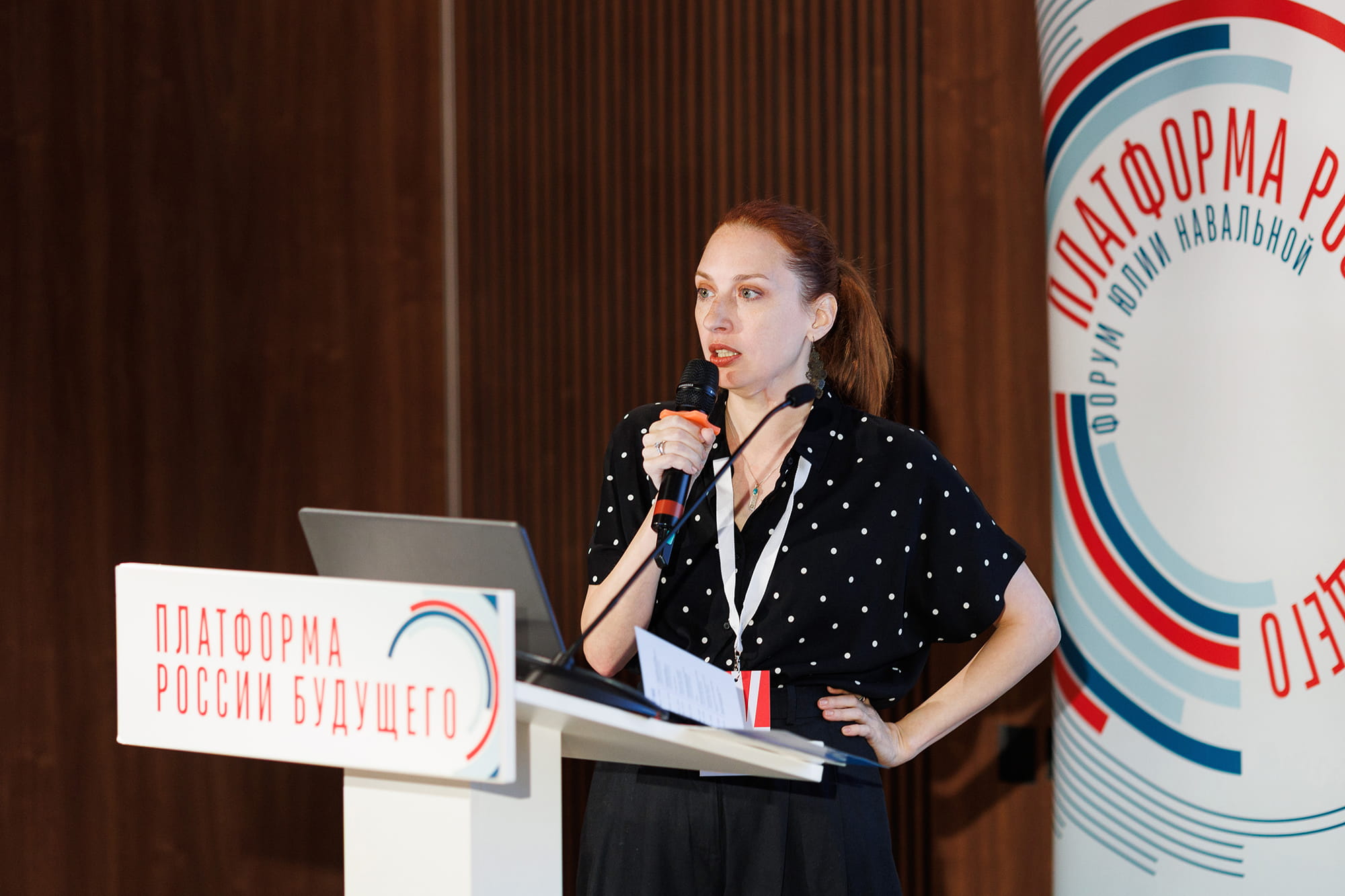
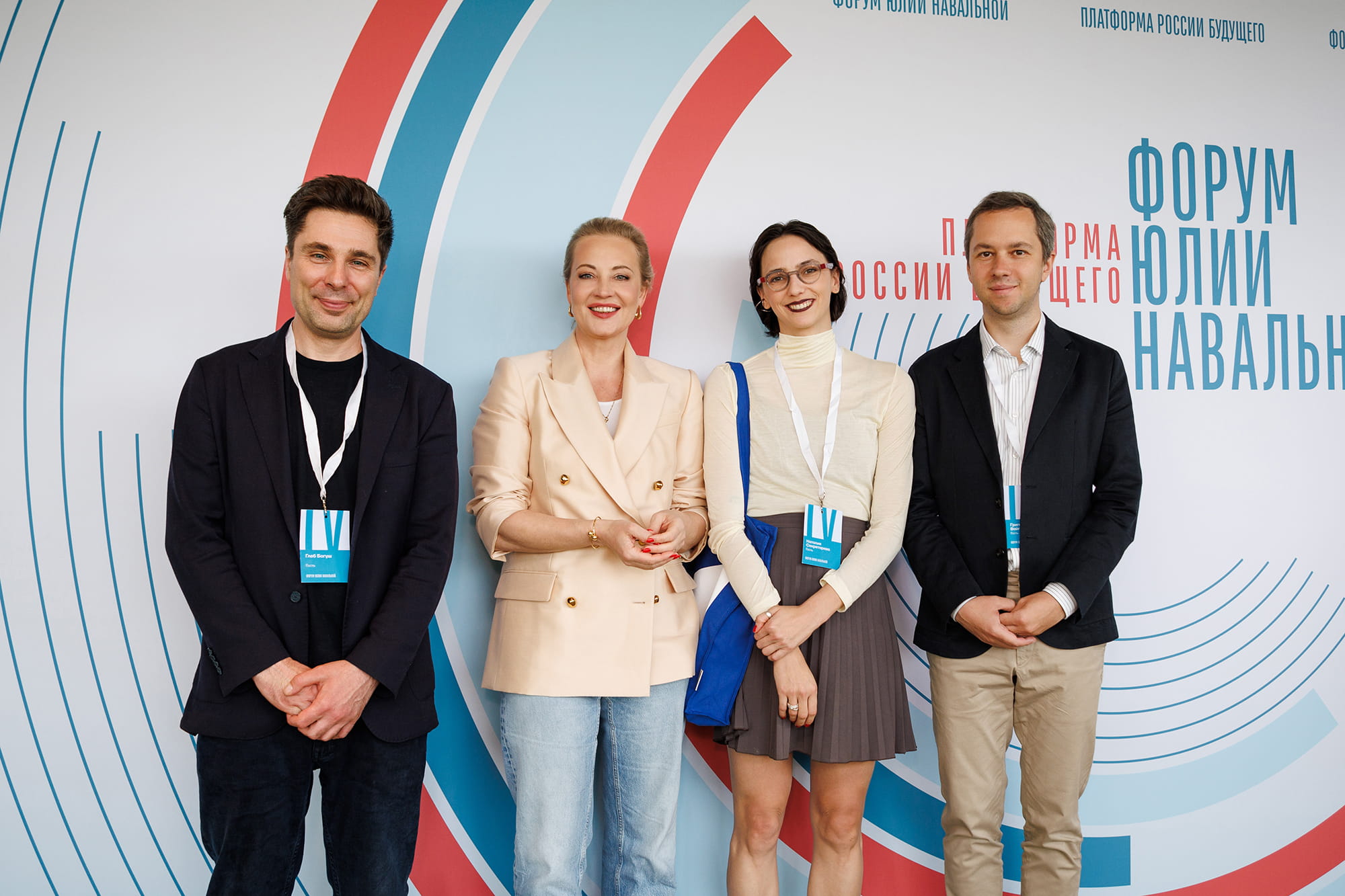
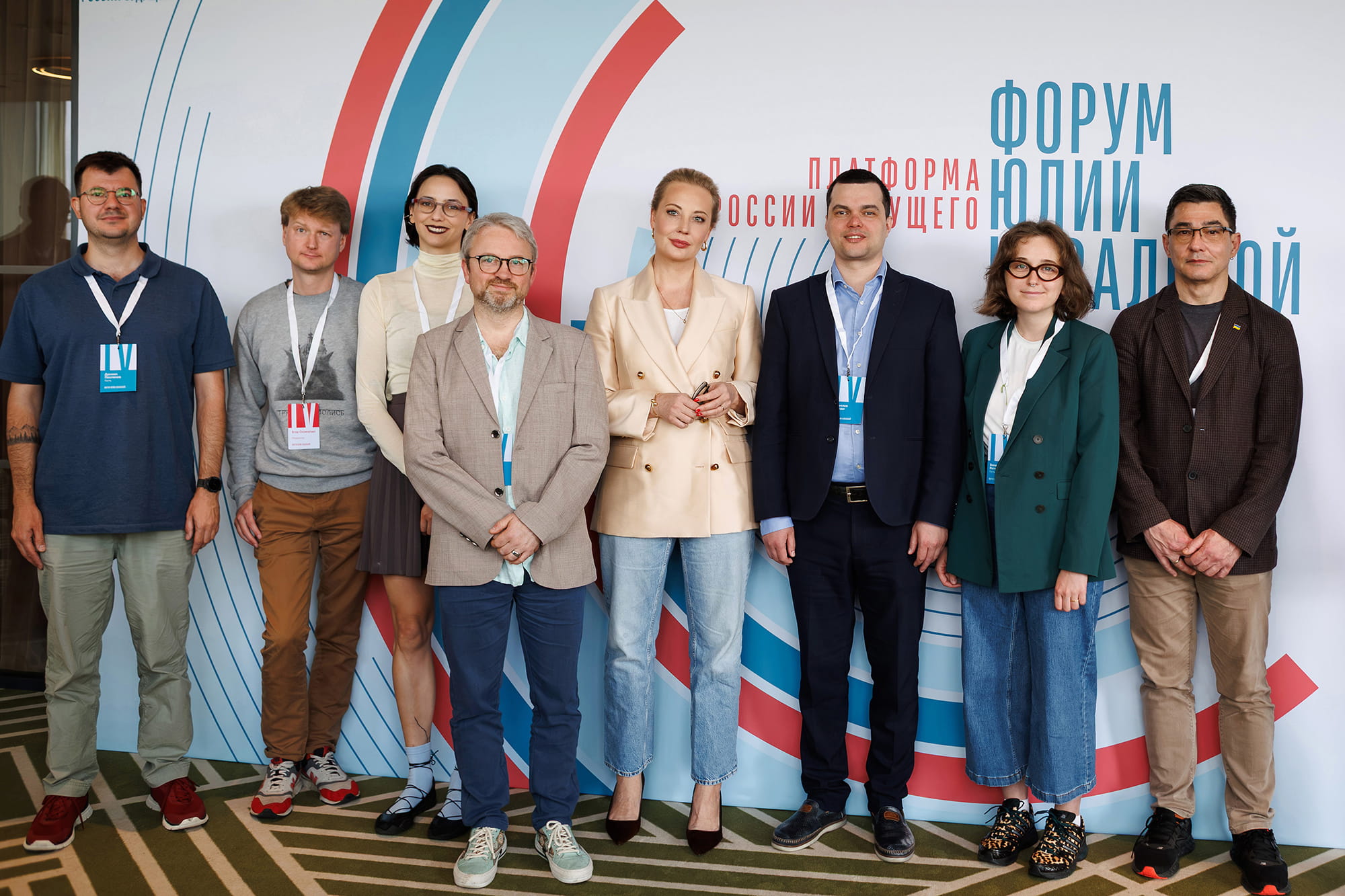
The discussions within the environmental working group were substantive and constructive, despite significant disagreements on a number of issues. What was particularly valuable was that both participants and moderators were focused on identifying common ground and finding solutions rather than determining who was right.
I believe that is especially important today — to keep the bigger picture in mind and focus on solving the problems that have emerged as a result of the current authorities’ actions, rather than dwelling on internal disagreements.
The Forum was also an excellent opportunity to meet and speak with experts from neighboring fields. Overall, it is encouraging to see so many talented and thoughtful people with very different backgrounds, experiences, and views come together and dedicate their time to developing a shared vision for Russia’s future. This, as well as the presence of young, ambitious students at the Forum, gives me cautious hope that Russia does, in fact, have a future.

Dmitry Gorchakov
Nuclear Energy Expert
I deeply value the opportunity to spend several days with people from completely different professional backgrounds and with very different perspectives. What united us was the desire to see Russia become a place where people, nature, human dignity, a sense of being part of humanity as a whole, and working together to address global challenges are given priority. The future will arrive whether we are ready for it or not.
The Yulia Navalnaya Forum provides a rare opportunity to pause and ask ourselves: what will we do when that moment comes? What kind of Russia do we want to build, and what must be done to bring our values closer to reality? How can democratization be achieved in practice? How do we ensure respect for fundamental rights, implement transitional justice, build a fairer society and a greener economy, protect the environment, and improve people's well-being?

Natalia Sekretareva
Lawyer, Memorial
Russian history teaches us that major political changes usually happen quickly and unexpectedly. March 1917 and August 1991 are only the most famous examples. The end of Putin’s regime will likely come just as suddenly. None of us knows when that moment will arrive — it could be in three years or in two weeks.
What we do know is that the window of opportunity to steer those changes in a democratic direction will be very short, and we will have to act quickly. That is why it is so important to have a roadmap for a post-Putin transition ready in advance — both for domestic and foreign policy. And the time to develop that roadmap is now.

Vladimir Kara-Murza
Politician
The forum left me with a strong and genuinely warm impression. Gatherings like this are especially important today: they help us stay politically engaged, remain connected to the broader context, and remind us that we are not alone. When like-minded people are scattered across different countries, the opportunity to meet in person, talk, and, most importantly, listen to one another becomes truly valuable.
For me, the forum was not only a meaningful conversation about the present and the future, but also a wonderful opportunity to connect with others — a rare chance to meet people who think, feel, and act in the same direction. At a time like this, it is especially important to know that, despite the distances and circumstances, our community is alive, connected, and still looking for ways to make a difference and influence what is happening.

Pavel Muntyan
Co-founder of Toonbox Studio, AI Project Lead

Student Competition
As at previous Forums, students also joined the discussions. For us, it is important that the conversation about Russia’s future is broader than a dialogue among politicians and experts alone.
Students took part in the debates and offered their own perspectives on possible reforms. After all, it is their generation that will live in a country facing profound change. Understanding what needs to be done, and the difficulties that will inevitably accompany this process, is essential to the success of democratic transformation.
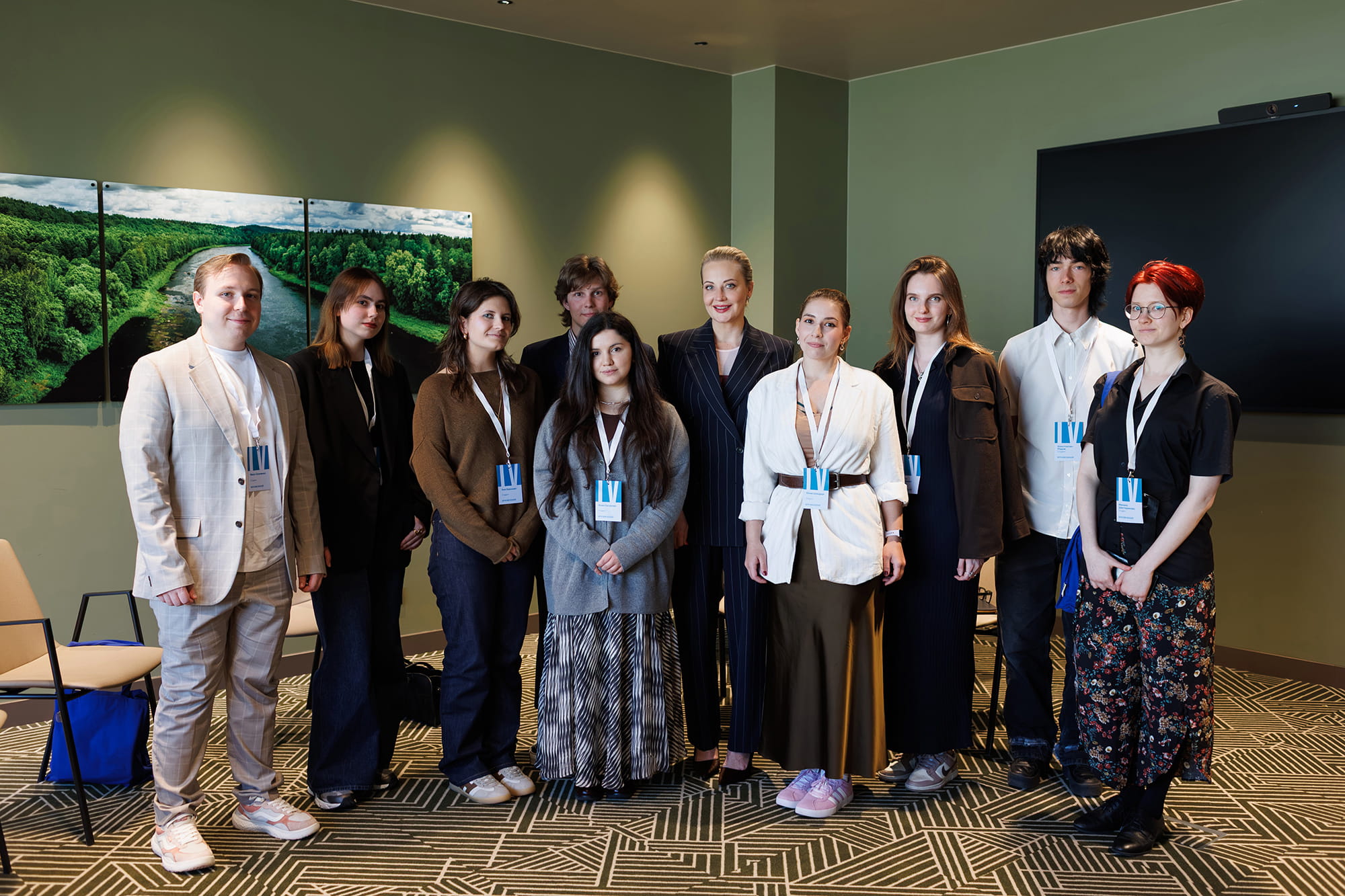
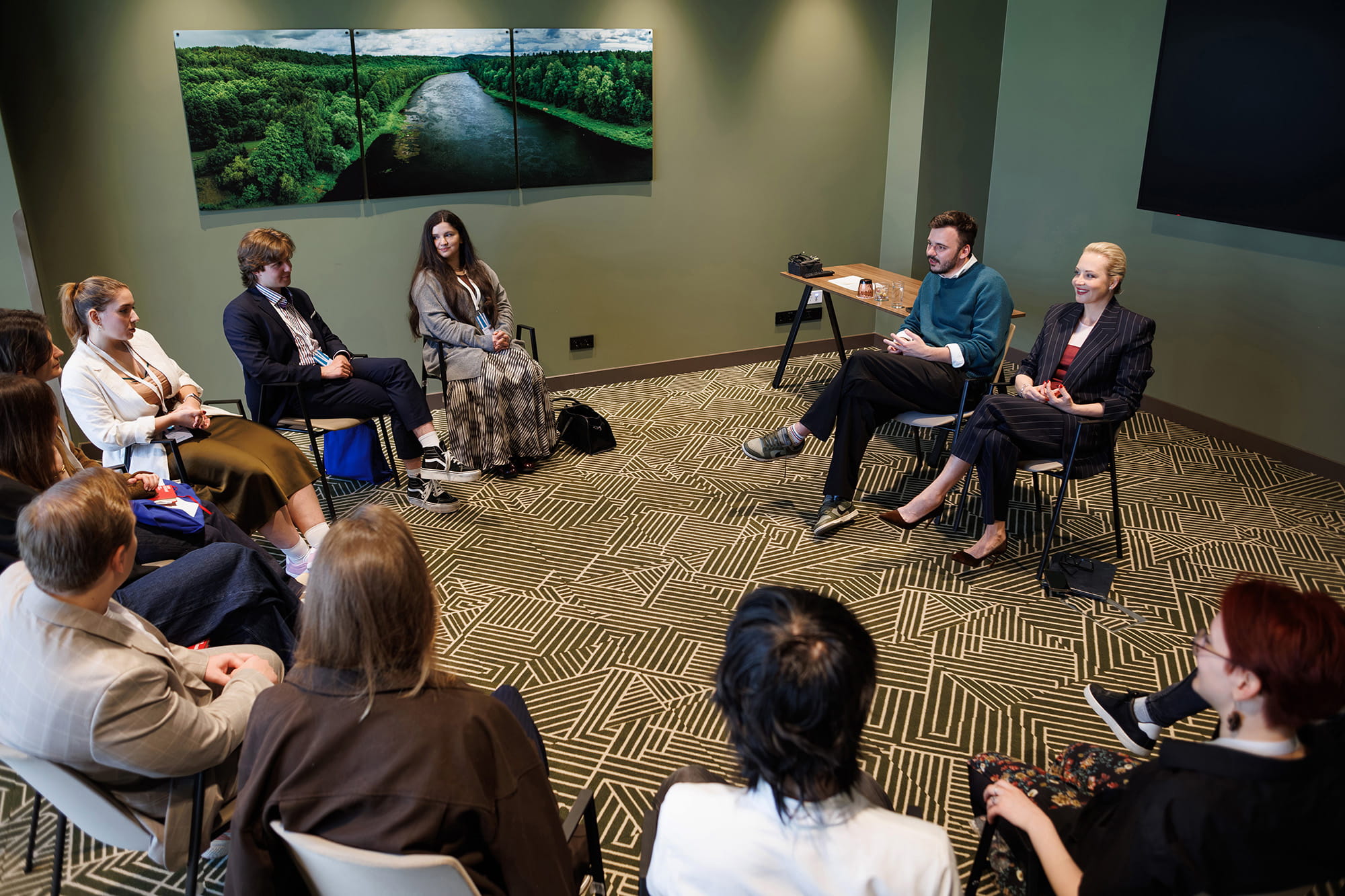
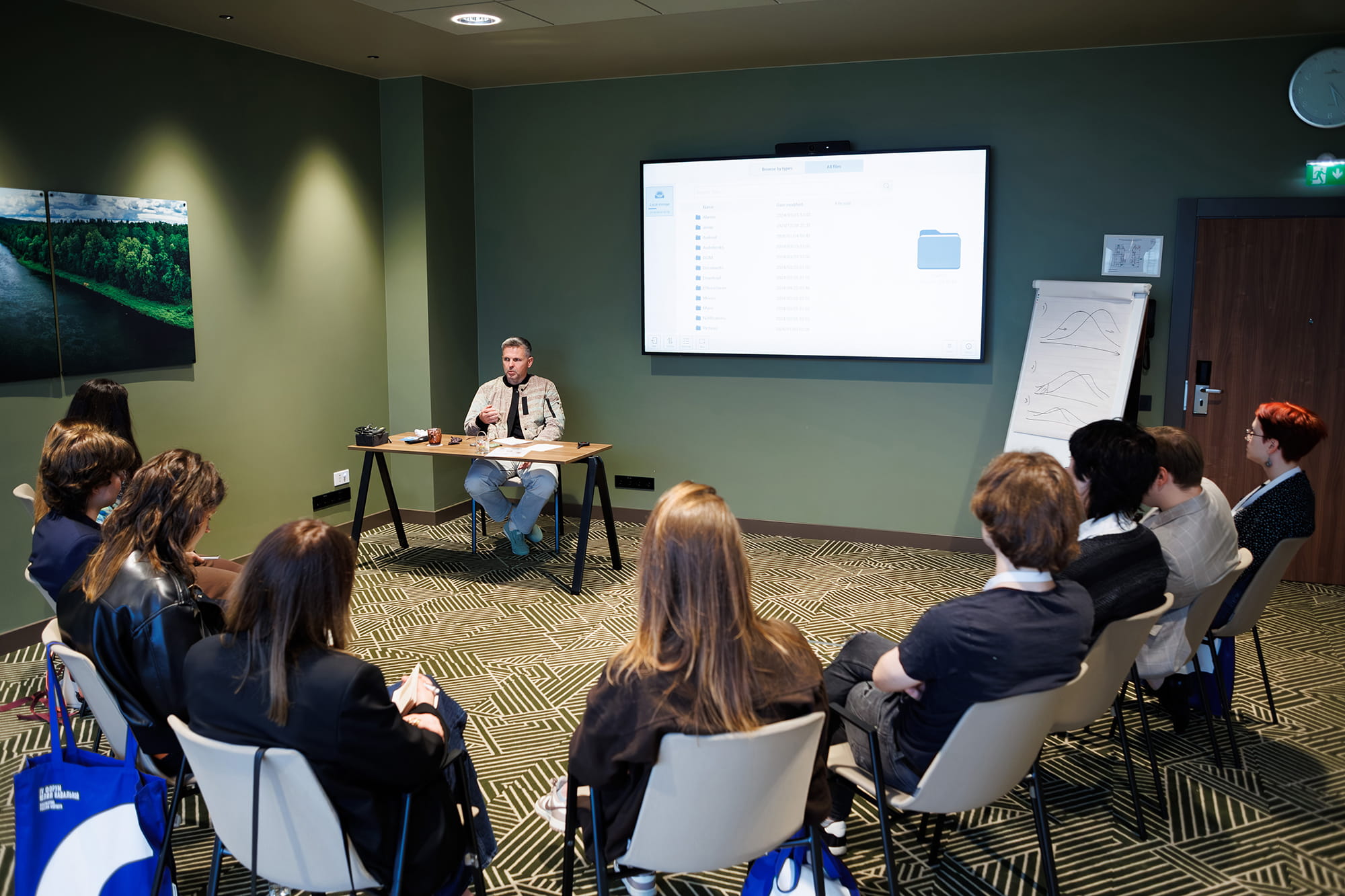
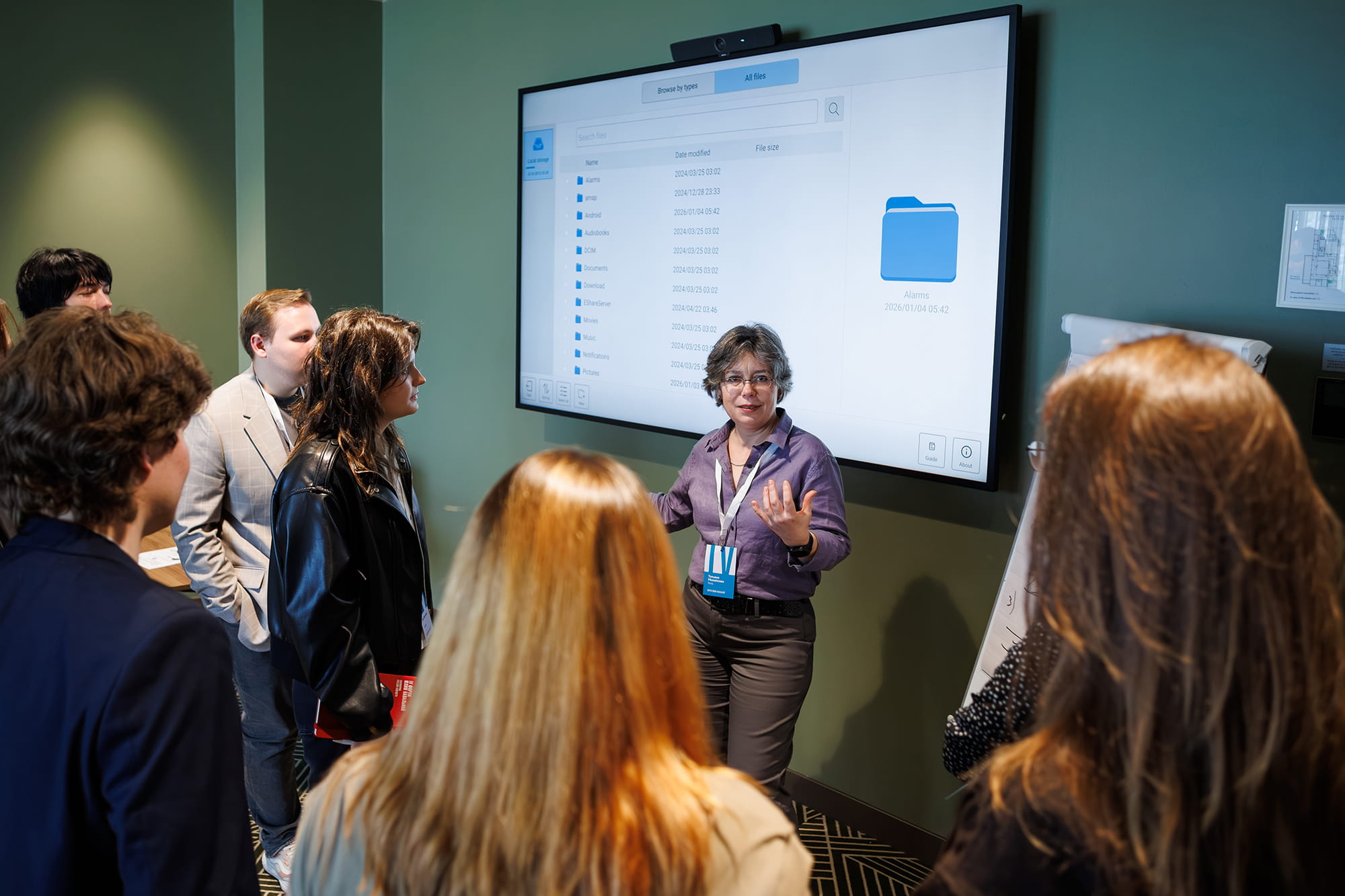
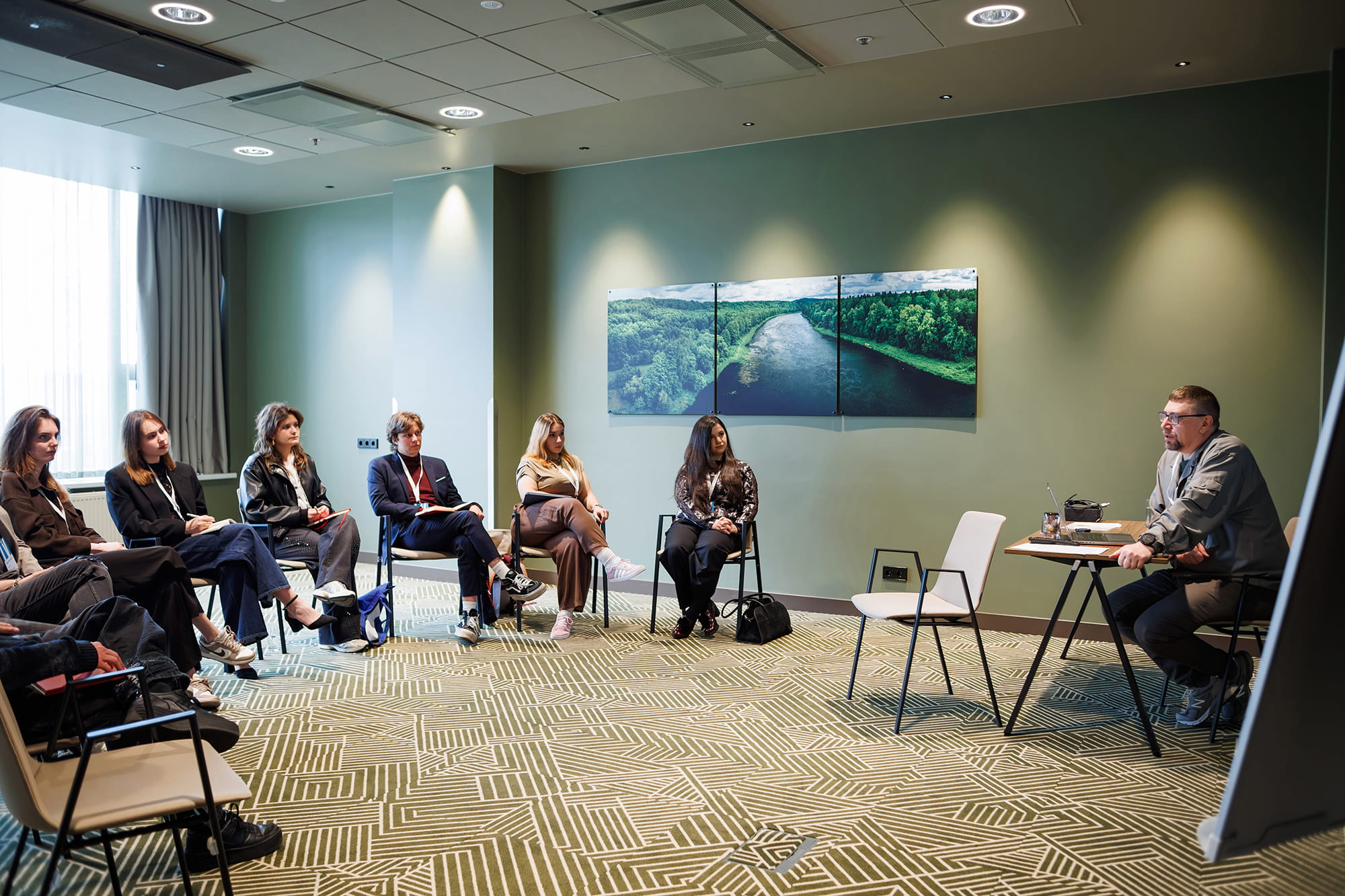
I was delighted to attend Yulia Navalnaya’s Forum and to find myself among like-minded people who share my hope of seeing Russia become a prosperous and happy country. I think it is incredibly valuable to come together and work collectively on our shared vision of how the Beautiful Russia of the Future can become a reality.
I am grateful for the opportunity to meet so many experts and to take part in fascinating discussions and conversations. I especially enjoyed the talks by Mikhail Klimarev and Tatyana Mikhailova, and I have particularly warm memories of the lively socio-political game with Leonid Volkov and the thoughtful conversation with Roman Badanin about the current state of journalism.
I was deeply impressed by the work carried out by the experts and by the lively discussions that followed the presentation of their conclusions. The Forum left me with warm memories and a much better understanding of how I can contribute to bringing about the Beautiful Russia of the Future.

Asiya Gasanova
University of Sheffield