News
Yulia Navalnaya on the EU’s Decision to Lift Sanctions on Usmanov and Fridman
Yulia Navalnaya commented on the European Union’s decision to remove Russian billionaires Alisher Usmanov and Mikhail Fridman from its sanctions list.
On September 22, EU countries agreed to lift personal sanctions against Usmanov and Fridman. At the same time, the remaining sanctions under this regime were extended for another three years, until September 2029.
Navalnaya said the decision was another example of the double standards applied to wealthy Russians and to those who were forced to leave the country because of political persecution, mobilization, or opposition to the war.
Apparently, for Europe, it does not matter whether you support the war or not, whether you are close to Putin or oppose him. In the end, it seems that what matters much more is how much money you have in your bank accounts.
If you are rich, own a couple of yachts, and have the right connections, apparently sanctions can be lifted without too much trouble. But if you fled Russia with little more than your belongings because of political persecution or mobilization, because you do not support the war, things are very different: you may be denied a visa, refused a bank account, faced with countless obstacles, and effectively pushed back into the arms of Putin’s system. And on top of that, you may even be accused of supporting the war.
Thank you to the European Commission for yet another reminder that in big politics, money still speaks louder than principles, while the lives of ordinary people often end up somewhere near the bottom of the list of priorities.
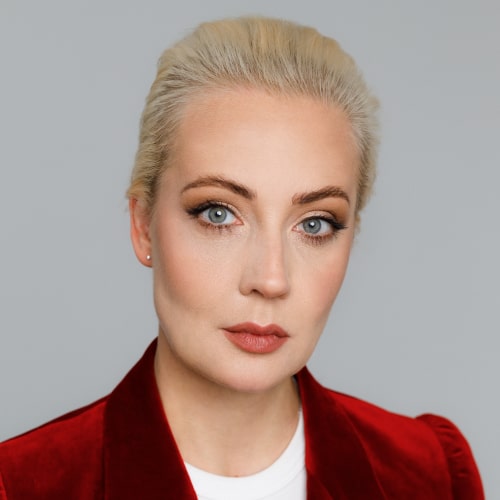
Yulia Navalnaya
The decision to lift the sanctions was part of a "compromise" among EU member states over the extension of the sanctions regime. France pushed for Usmanov to be removed from the list, while Luxembourg advocated lifting restrictions on Fridman.